The Complete Guide to Choosing a New HVAC System in Florida
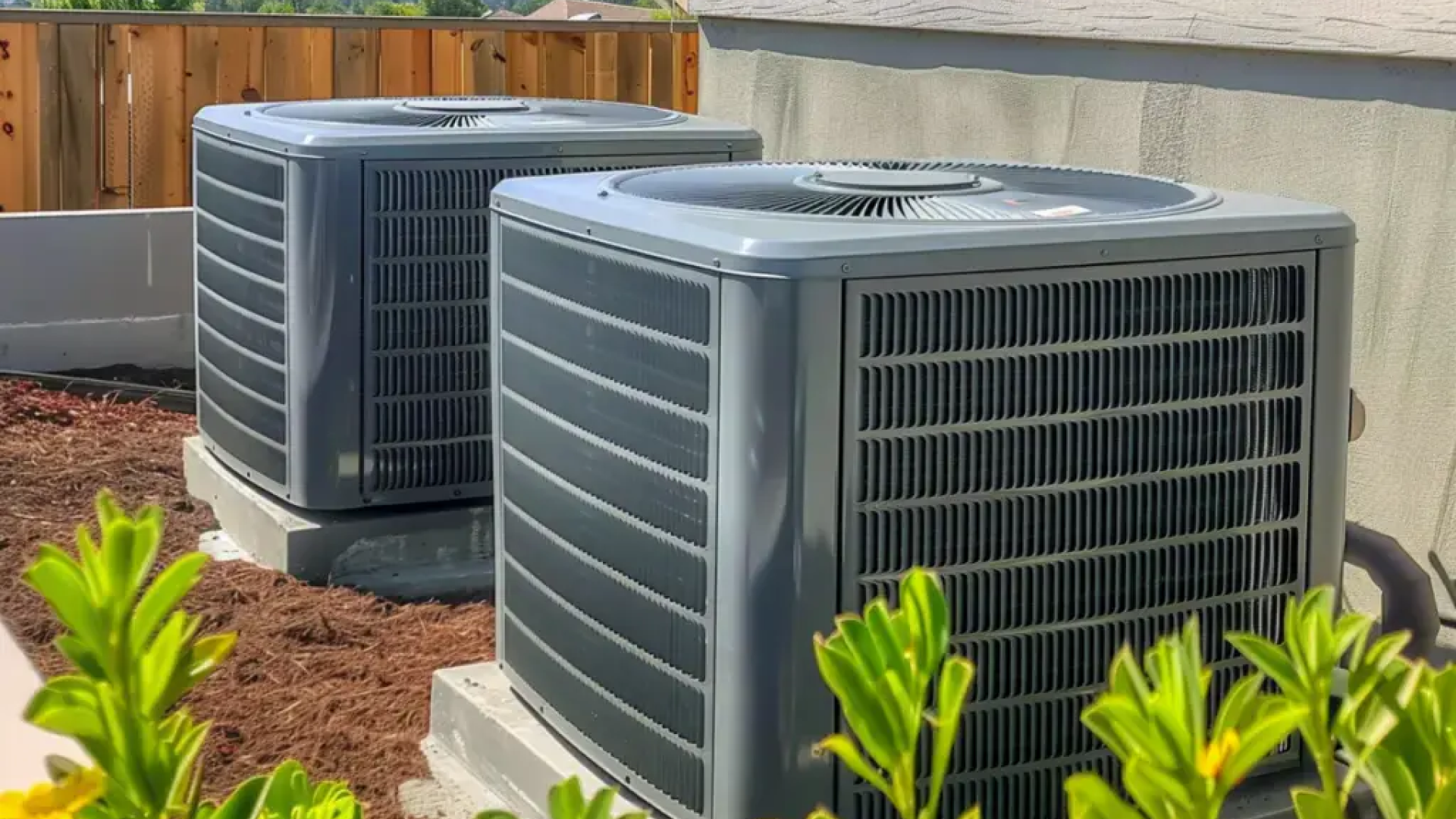
Choosing a new HVAC system is one of the biggest investments a Florida homeowner can make. With the state's intense heat, high humidity, and nearly year-round cooling demands, selecting the right system is about much more than simply replacing an old air conditioner. The right HVAC system can improve comfort, lower energy bills, enhance indoor air quality, and provide reliable performance for years to come.
At the same time, choosing the wrong system can lead to uneven cooling, excessive humidity, frequent repairs, and unnecessarily high utility costs. If you're considering HVAC replacement services, understanding the key factors involved can help you make a confident, informed decision.
At Wright Brothers HVAC, homeowners throughout Florida rely on professional guidance to select energy-efficient HVAC systems designed specifically for the unique challenges of our climate. To understand more about our commitment to keeping your home comfortable, feel free to read about our team and core mission.
Why Choosing the Right HVAC System Matters in Florida
Florida homes place extraordinary demands on cooling equipment. Unlike many parts of the country where heating and cooling are used seasonally, Florida air conditioners often operate for most of the year because of:
High outdoor temperatures
Constant humidity
Long summer seasons
Heavy daily cooling cycles
A properly selected system helps homeowners maintain comfort while minimizing operating costs. What homeowners should know is that the biggest HVAC unit is not always the best HVAC unit. Proper sizing and design are often more important than maximum capacity. In fact, running an improper setup is one of the top reasons your energy bills increase during summer.
When Is It Time to Replace Your HVAC System?
Many homeowners wonder whether they should continue repairing an older system or invest in replacement. Navigating the choice of AC repair vs. AC replacement comes down to analyzing cost, age, and systemic efficiency.
Common Signs It May Be Time for a New HVAC System
Your system is over 10 to 15 years old
Frequent emergency AC repair calls
Rising energy bills
Uneven cooling throughout the home
Poor humidity control
Strange noises or odors
Constant system operation
Expensive component failures
If multiple issues are occurring at the same time, it is vital to learn the key warning signs that indicate your air conditioner is near the end of its life. If your unit exhibits these symptoms, upgrading your setup often provides better long-term value than repeated fixes.
Step 1: Choose the Right HVAC System Size
Proper sizing is one of the most important factors in HVAC performance.
Why Bigger Is Not Better
An oversized system may cool too quickly, shutting off before removing enough humidity. This creates uneven temperatures and increases wear from short cycling. When a unit cuts on and off rapidly, it never gets the chance to stabilize indoor climate conditions.
Problems With Undersized Systems
A system that is too small may run continuously, struggling during extreme heat. This drastically increases energy bills and causes the machinery to wear out much faster.
Professional Load Calculations Matter
Experienced HVAC professionals perform detailed calculations based on home size, ceiling height, insulation quality, window placement, sun exposure, and occupancy levels. This ensures the system matches the actual cooling needs of your home so you do not have to struggle with what causes uneven cooling in your house.
Step 2: Consider Energy Efficiency Ratings
Energy efficiency plays a major role in long-term ownership costs. Since air conditioning systems operate so frequently in the Sunshine State, even small efficiency improvements can create meaningful savings over time.
Benefits of Energy-Efficient HVAC Systems
Lower utility bills
Reduced environmental impact
Improved cooling performance
Better humidity control
Although higher efficiency systems may require a larger initial investment, many homeowners quickly recover those costs through reduced monthly energy expenses.
Step 3: Think About Indoor Humidity Control
Cooling and humidity management go hand in hand in Florida. High indoor humidity can lead to sticky indoor air, mold growth, musty odors, allergy problems, and poor comfort levels.
Today's residential HVAC setups often include systems with advanced humidity control features that help maintain a healthier indoor environment. Pairing a new system with comprehensive indoor air quality solutions can further maximize your home's comfort.
Step 4: Evaluate Indoor Air Quality Features
Modern HVAC systems do much more than cool the air; they act as the central filtration lung of your home.
Popular Indoor Air Quality Solutions
Many homeowners choose systems that support advanced air filtration, whole-home dehumidifiers, UV air purification systems, improved ventilation, and smart humidity monitoring. Investing in these upgrades helps reduce dust accumulation, pet dander, allergens, mold spores, and airborne contaminants.
Reviewing the best indoor air quality solutions for Florida homes in 2026 can give you an edge in picking the right add-ons. Protecting your family means understanding the hidden dangers of poor indoor air quality before contaminants build up inside your living space.
Step 5: Consider Smart Thermostat Compatibility
Smart home technology has become a valuable addition to modern HVAC systems. These controls help reduce unnecessary cooling cycles while maintaining a comfortable indoor environment.
Modern thermostats allow homeowners to control temperatures remotely, create automated schedules, monitor energy usage, manage indoor humidity, and receive maintenance reminders. Read more about how smart thermostats improve energy efficiency and comfort to see how this simple upgrade pays for itself.
Step 6: Inspect Your Existing Ductwork
Installing a new HVAC system without evaluating the ductwork may limit the performance of your new equipment. Common duct problems include air leaks, poor insulation, dust buildup, improper sizing, and damaged connections.
Leaky or inefficient ducts can cause uneven cooling, higher energy bills, poor airflow, and reduced comfort. Professional residential HVAC evaluations should always include a thorough duct inspection to ensure your new system performs at its best.
Step 7: Think About Long-Term Maintenance
A quality HVAC system is an investment that should last for many years with proper care. Routine upkeep helps improve energy efficiency, reduce emergency repairs, extend system lifespan, maintain indoor air quality, and protect manufacturer warranties.
To keep your system running reliably, signing up for a preventative AC maintenance plan is the most effective approach.
Expert Insight: Consistent preventative care saves Florida homeowners thousands of dollars over the lifespan of their system by stopping minor issues from escalating into major system failures.
Additionally, simple habits make a massive difference; learning how dirty air filters affect your HVAC system performance can save you from unexpected airflow restrictions and system strain.
Step 8: Plan for Future Repair Costs
While modern HVAC systems are highly reliable, every system requires occasional service. Factors to consider include the availability of replacement parts, service accessibility, warranty coverage, and professional installation quality.
When things do go wrong, you want a trusted team that handles quick AC and heating repairs to restore your comfort before the indoor heat becomes unbearable. Working with a trusted Florida HVAC company helps ensure ongoing support long after your initial installation.
Common Mistakes Homeowners Make When Buying a New HVAC System
Choosing Based Only on Price: The lowest upfront cost may not provide the best long-term value if the machine burns excessive energy.
Ignoring Humidity Control: Florida homeowners should prioritize moisture management just as much as cooling performance.
Skipping Professional Sizing: Improperly sized systems often create immediate comfort and efficiency problems.
Neglecting Maintenance Planning: Even the best HVAC equipment requires routine preventative AC maintenance to perform properly. Catching common HVAC problems during Florida summers early prevents catastrophic system shutdowns.
Questions to Ask Before Installing a New HVAC System
Before moving forward with installation, homeowners should ask:
Is the system properly sized for my home?
How energy-efficient is this model?
Will it improve indoor humidity control?
Is it compatible with smart thermostats?
What indoor air quality options are available?
What maintenance schedule is recommended?
What warranty coverage is included?
An experienced HVAC professional can help explain these factors clearly and recommend the best solution for your home's specific layout.
Benefits of Investing in a Modern HVAC System
Improved Comfort: More consistent temperatures, better airflow, reduced humidity, and quieter operation.
Better Energy Efficiency: Lower monthly utility bills and reduced overall cooling costs.
Enhanced Indoor Air Quality: Cleaner indoor air, better filtration, improved moisture management, and reduced allergens.
Fewer Emergency Repairs: New systems typically require fewer unexpected service calls, eliminating the stress of sudden breakdowns. It protects you from the headache of discovering your AC is blowing warm air right in the middle of a heatwave.
Frequently Asked Questions
How long do HVAC systems typically last in Florida?
Most residential HVAC systems last approximately 10 to 15 years with proper preventative care. Because units run almost constantly here, they age faster than systems in milder northern climates.
What size HVAC system do I need?
The correct size depends on your home's square footage, insulation, layout, windows, and overall cooling needs. Professional load calculations provide the most accurate answer.
Are energy-efficient HVAC systems worth the investment?
Yes. Higher efficiency systems drastically lower monthly utility bills while providing superior comfort and humidity control.
How often should you service your AC in Florida's climate?
To maintain peak performance and stop unexpected breakdowns, you should discover how often you should service your AC for optimal longevity. For most Florida homeowners, scheduling professional tune-up services twice each year is highly recommended.
Final Thoughts
Choosing a new HVAC system is about more than replacing old equipment. It is an opportunity to improve your home's comfort, energy efficiency, indoor air quality, and long-term reliability. By considering system sizing, humidity control, energy efficiency, smart technology, ductwork, and maintenance needs, homeowners can make an investment that delivers real value for many years.
If you suspect your current setup is on its last legs, review the signs your HVAC system needs immediate repair before the peak summer heat sets in. For more tips, expert advice, and industry insights, feel free to explore our dedicated blog.
Ready to upgrade or need expert guidance on your next air conditioner? Contact the team at Wright Brothers HVAC today for trusted residential HVAC services tailored specifically to the unique demands of the Florida climate.