Is It Time to Replace Your Air Conditioner? Key Warning Signs
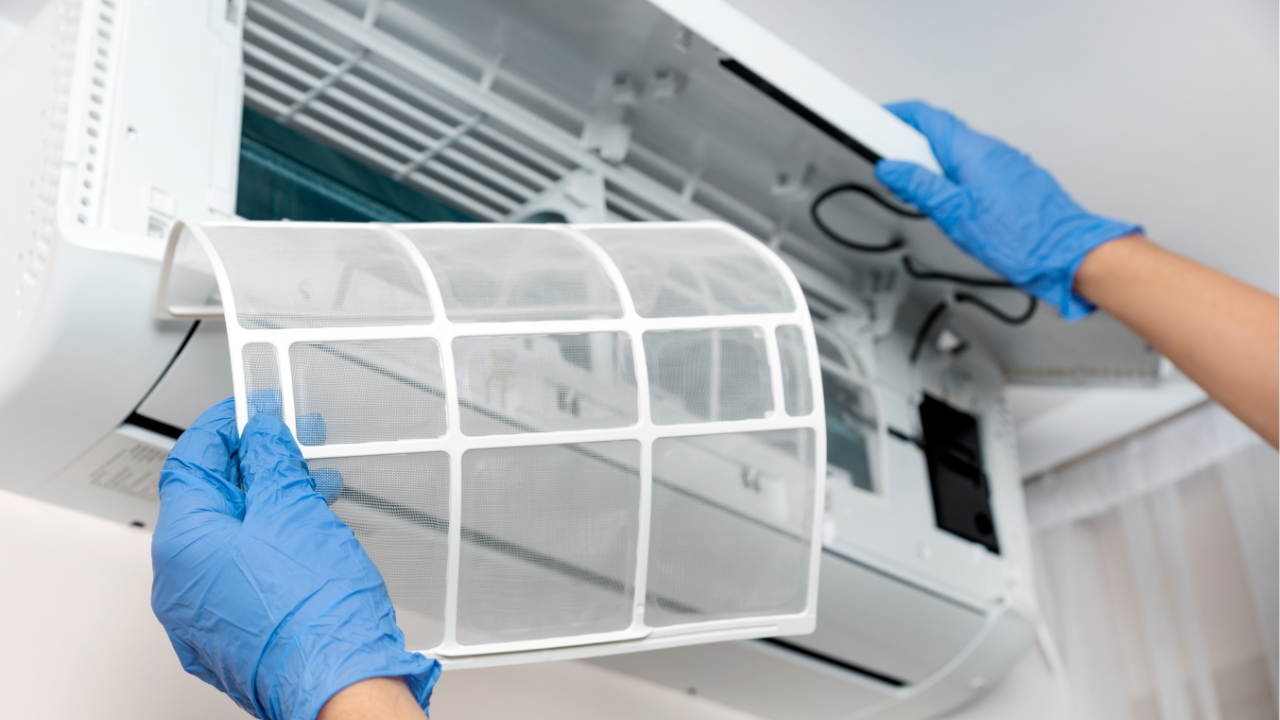
For Florida homeowners, air conditioning is not just about comfort. It is essential for getting through the state’s intense heat and humidity. When your AC system starts struggling, it can quickly affect your energy bills, indoor comfort, air quality, and even your daily routine.
The challenge is knowing whether your air conditioner simply needs a repair or if it is finally time for a full replacement.
Many homeowners continue investing in repeated repairs without realizing their aging HVAC system may already be costing them more in the long run. Understanding the warning signs early can help you avoid unexpected breakdowns during Florida’s hottest months.
At Wright Brothers HVAC, homeowners throughout Florida trust experienced professionals for AC repair, preventative AC maintenance, indoor air quality solutions, and HVAC replacement services tailored to Florida’s climate and cooling demands.
This guide explains the most common signs your air conditioner may need replacement and what homeowners should know before making a decision.
How Long Does an Air Conditioner Last in Florida?
Florida’s climate puts far more stress on HVAC systems compared to cooler parts of the country.
While some systems in mild climates may last close to 20 years, Florida air conditioners often experience shorter lifespans because they run for extended periods throughout the year.
Average HVAC Lifespan in Florida
Most residential HVAC systems in Florida last:
Approximately 10 to 15 years
Less if maintenance is neglected
Less in coastal areas exposed to salt air
Constant heat, humidity, and heavy usage accelerate wear on:
Compressors
Motors
Coils
Electrical components
Refrigerant systems
Even well maintained systems eventually lose efficiency over time.
Homeowners can learn more about the company’s experience serving Florida families by visiting the About Wright Brothers HVAC page.
1. Your Energy Bills Keep Increasing
One of the earliest signs homeowners notice is a steady rise in monthly cooling costs.
Older HVAC systems become less energy efficient as components wear down. The system may need to run longer and harder to maintain comfortable indoor temperatures.
Common Reasons Older Systems Lose Efficiency
Aging compressors
Dirty or worn coils
Refrigerant problems
Reduced airflow
Electrical inefficiencies
General wear and tear
If your energy bills continue increasing despite normal usage habits, your HVAC system may be operating inefficiently behind the scenes.
Modern energy efficient HVAC replacement services often help homeowners improve cooling performance while lowering long term utility costs.
2. Your AC Requires Frequent Repairs
Occasional repairs are normal for any HVAC system. However, frequent service calls usually signal deeper system problems.
Signs Repairs May No Longer Be Cost Effective
Multiple repairs within a short period
Expensive component failures
Repeated refrigerant leaks
Constant electrical problems
Ongoing compressor issues
Many HVAC professionals recommend considering replacement when repair costs become frequent and the system is already approaching the end of its expected lifespan.
Homeowners experiencing repeated issues can explore professional AC and heating repair services to determine whether repair or replacement makes the most financial sense.
3. Your Home Has Uneven Cooling
If some rooms feel comfortable while others remain warm and humid, your HVAC system may be losing its ability to distribute air effectively.
Causes of Uneven Cooling
Aging blower motors
Reduced system capacity
Airflow restrictions
Ductwork issues
Improper system sizing
Florida humidity can make uneven cooling feel even more uncomfortable indoors.
As HVAC systems age, they often struggle to maintain balanced airflow and consistent temperatures throughout the home.
4. Your AC Is Blowing Warm Air
Warm air coming from vents is one of the clearest signs something is wrong.
While some warm air issues can be repaired, recurring cooling failures may indicate the system is approaching the end of its lifespan.
Possible Causes Include
Refrigerant leaks
Compressor failure
Electrical issues
Frozen evaporator coils
Thermostat malfunctions
If warm air problems continue returning after repairs, replacing the system may provide more reliable long term comfort.
Homeowners dealing with inconsistent cooling may also find helpful insights in the published article Why Your AC Is Blowing Warm Air in Florida and How to Fix It.
5. Indoor Humidity Feels Excessive
Your air conditioner should help regulate indoor humidity levels in addition to cooling the air.
If your home constantly feels:
Sticky
Damp
Muggy
Humid
…the HVAC system may no longer be controlling moisture effectively.
Why Humidity Control Matters in Florida
Poor humidity control can contribute to:
Mold growth
Musty odors
Indoor discomfort
Allergy problems
Poor indoor air quality
Modern systems designed for Florida homes often improve moisture management significantly.
Homeowners interested in cleaner indoor air and better humidity control can explore advanced indoor air quality solutions that support healthier indoor environments.
6. Your HVAC System Runs Constantly
Florida summers naturally cause longer cooling cycles, but your system should still eventually reach the thermostat setting.
If the AC seems to run nonstop without properly cooling the home, it may be losing efficiency.
Common Reasons Older Systems Run Continuously
Reduced cooling capacity
Aging compressors
Refrigerant loss
Poor airflow
System wear
Constant operation increases wear on HVAC components and raises the likelihood of emergency breakdowns during peak summer heat.
7. Strange Noises Are Becoming More Frequent
Older HVAC systems often become noisier as internal parts wear down.
Sounds That May Signal Serious Problems
Grinding
Could indicate motor or bearing failure.
Banging
May signal loose or damaged components.
Buzzing
Often linked to electrical issues.
Screeching
May indicate blower motor or belt problems.
While some issues are repairable, repeated mechanical failures in aging systems may point toward replacement.
8. Your HVAC System Uses Outdated Refrigerant
Many older systems rely on refrigerants that are becoming more difficult and expensive to service.
Why Refrigerant Type Matters
Older refrigerants may:
Cost more to replace
Be harder to source
Increase repair expenses
Indicate an aging HVAC system overall
If an older unit develops refrigerant leaks, homeowners may face substantial repair costs.
Upgrading to a newer HVAC system often improves efficiency while reducing future refrigerant related concerns.
9. Your AC System Is More Than 10 to 15 Years Old
Age alone does not automatically mean your system must be replaced, but older systems are generally more prone to:
Efficiency loss
Frequent breakdowns
Cooling inconsistencies
Humidity issues
In Florida’s demanding climate, older systems often struggle to maintain consistent indoor comfort.
Benefits of Replacing an Older HVAC System
Many homeowners are surprised by how much newer systems improve overall comfort and efficiency.
Advantages of Modern Energy Efficient HVAC Systems
Lower Energy Bills
New systems use less energy to cool the home effectively.
Better Humidity Control
Modern systems handle Florida moisture levels more efficiently.
Improved Indoor Air Quality
Advanced filtration supports cleaner indoor air.
Quieter Operation
New HVAC systems operate far more quietly than older units.
More Reliable Cooling
Reduced breakdown risk provides peace of mind during Florida summers.
Smart Technology Compatibility
Many systems now integrate with smart thermostats and advanced controls.
The Importance of Preventative AC Maintenance
Preventative AC maintenance remains one of the best ways to extend HVAC lifespan and improve system reliability.
Routine tune ups help identify small problems before they become larger failures.
Typical Preventative Maintenance Includes
Refrigerant inspections
Thermostat testing
Electrical evaluations
Condenser cleaning
Coil inspections
Drain line cleaning
Airflow testing
Filter checks
Homeowners looking to extend the life of their current system can benefit from professional preventative AC maintenance plans designed specifically for Florida HVAC systems.
For additional seasonal HVAC guidance and maintenance tips, homeowners can also browse the company’s regularly updated HVAC blog.
What Homeowners Should Consider Before Replacing an HVAC System
Replacing your air conditioner is a significant investment, but choosing the right system is equally important.
Important Factors Include
Proper System Sizing
Incorrect sizing can reduce comfort and efficiency.
Energy Efficiency Ratings
Higher efficiency systems may lower long term operating costs.
Indoor Air Quality Features
Modern systems often support advanced filtration and humidity control.
Florida Climate Performance
Systems should be designed for heavy cooling demand and humidity management.
Professional residential HVAC services help homeowners select systems suited to their home’s unique needs.
Frequently Asked Questions
How do I know if my AC should be repaired or replaced?
If the system is older, inefficient, or requiring frequent repairs, HVAC replacement services may provide better long term value.
What is the average lifespan of an AC system in Florida?
Most residential HVAC systems in Florida last approximately 10 to 15 years depending on maintenance and usage.
Can a new HVAC system lower energy bills?
Yes. Modern energy efficient HVAC systems typically operate more efficiently and consume less electricity.
Does replacing my HVAC system improve indoor air quality?
In many cases, yes. New systems often improve airflow, filtration, humidity control, and overall indoor comfort.
Is preventative AC maintenance still necessary for newer systems?
Absolutely. Regular maintenance helps protect efficiency, reliability, and manufacturer warranties.
What are the biggest warning signs of HVAC failure?
Common warning signs include rising energy bills, frequent repairs, uneven cooling, humidity problems, warm air, loud noises, and constant runtime.
Trust Wright Brothers HVAC for Reliable HVAC Replacement Services
Florida homeowners depend on reliable cooling systems nearly every day of the year. Waiting too long to replace an aging air conditioner can lead to uncomfortable indoor conditions, expensive repairs, and unexpected breakdowns during extreme summer heat.
Recognizing the warning signs early allows homeowners to make informed decisions before a complete system failure occurs.
Whether you need AC repair, preventative maintenance, indoor air quality support, or complete HVAC replacement services, Wright Brothers HVAC provides trusted residential HVAC services tailored to Florida homes and climate conditions.
Scheduling a professional HVAC evaluation today can help you determine whether your current system is still reliable or if it is time to upgrade to a more energy efficient solution.