Why Your AC Is Blowing Warm Air in Florida and How to Fix It
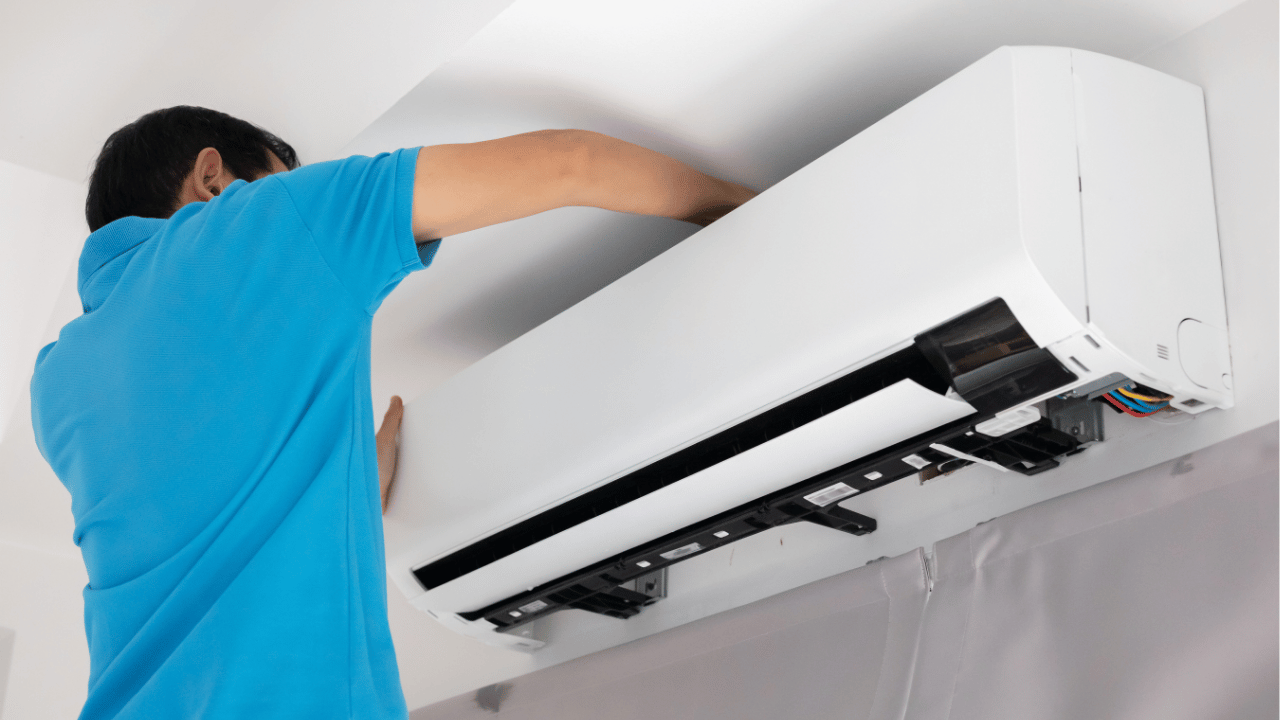
Florida homeowners know how brutal the heat and humidity can feel when the air conditioner suddenly starts blowing warm air. One minute your home feels comfortable, and the next, you are standing near the vents wondering why your AC is acting more like a fan than a cooling system.
If your air conditioner is blowing warm air in Florida, there are several possible causes ranging from simple thermostat issues to more serious HVAC system problems. The good news is that many of these issues can be identified early before they turn into expensive repairs or full system replacements.
At Wright Brothers HVAC, helping Florida homeowners stay cool year round is a top priority. As a trusted Florida HVAC company, the team specializes in AC repair, preventative AC maintenance, indoor air quality solutions, and HVAC replacement services designed for Florida’s demanding climate.
This guide explains why your AC may be blowing warm air, what homeowners should check first, and when it is time to call experienced air conditioning repair experts.
Why Is Your AC Blowing Warm Air?
An air conditioner blowing warm air usually means the system is struggling to remove heat properly from your home. In Florida, high humidity, constant system usage, and long cooling seasons can put extra strain on residential HVAC systems.
Some of the most common causes include:
Dirty air filters
Thermostat problems
Refrigerant leaks
Frozen evaporator coils
Electrical issues
Dirty outdoor condenser units
Aging HVAC systems
Blocked airflow
Compressor failure
Understanding these issues can help homeowners act quickly before indoor temperatures become unbearable.
Check the Thermostat First
Before assuming there is a major HVAC issue, homeowners should always check the thermostat settings.
Sometimes the thermostat may accidentally switch to:
“Fan Only” mode
Heat mode
Incorrect temperature settings
Low thermostat batteries can also cause communication problems between the thermostat and the HVAC system.
What Homeowners Should Know
In many Florida homes, smart thermostats and programmable thermostats can lose calibration during power surges or storms. Resetting the thermostat or replacing batteries may restore proper cooling.
If the thermostat appears to be functioning correctly but warm air continues coming from the vents, the issue may involve the HVAC system itself.
Homeowners can also learn more about the company’s experience and customer-first approach on the About Wright Brothers HVAC page.
Dirty Air Filters Can Restrict Cooling
A clogged air filter is one of the most common causes of AC performance problems.
When airflow becomes restricted:
The system works harder
Cooling efficiency drops
Indoor humidity increases
Evaporator coils may freeze
Florida homes often accumulate dust, pollen, pet dander, and moisture faster than homes in drier climates. That means filters may need replacement more frequently.
How Often Should AC Filters Be Changed in Florida?
Most HVAC professionals recommend:
Every 30 to 60 days for standard homes
More often for homes with pets
More often during peak summer months
Routine care through preventative AC maintenance plans can help homeowners avoid airflow issues before they become serious cooling problems.
Low Refrigerant Levels May Be the Problem
Refrigerant is the substance that allows your AC system to remove heat from indoor air. If refrigerant levels are low, your AC may:
Blow warm or mildly cool air
Run constantly
Struggle to reach the thermostat setting
Develop frozen coils
Low refrigerant usually indicates a leak somewhere in the system.
Signs of a Refrigerant Leak
Homeowners may notice:
Hissing sounds
Ice buildup on refrigerant lines
Higher electric bills
Weak airflow
Longer cooling cycles
Refrigerant issues should always be handled by licensed HVAC professionals. Attempting DIY refrigerant repairs can damage the system and create safety risks.
Professional AC and heating repair services can help diagnose refrigerant leaks quickly and restore efficient cooling before system damage worsens.
Frozen Evaporator Coils Can Stop Cooling
Frozen evaporator coils are another common reason for warm air problems.
When coils freeze:
Airflow becomes restricted
Cooling performance drops
Warm air may circulate through vents
Several issues can cause frozen coils, including:
Dirty filters
Refrigerant problems
Blocked ducts
Blower motor issues
What Homeowners Should Do
If ice is visible around the indoor unit:
Turn off the AC system
Switch the fan setting to “On”
Allow the ice to melt completely
Replace the air filter if dirty
Schedule professional AC repair if the problem returns
Repeated freezing usually signals a deeper HVAC issue requiring expert attention.
Florida’s Heat Can Overwork Outdoor Condenser Units
The outdoor condenser unit plays a critical role in releasing heat from your home. In Florida’s climate, these units work extremely hard for most of the year.
Over time, dirt, leaves, grass clippings, and debris can block airflow around the condenser.
Signs of a Dirty Condenser Unit
Warm air indoors
Reduced cooling
Loud operation
Higher energy bills
System overheating
Keeping at least two feet of clearance around the outdoor unit helps maintain proper airflow.
Routine HVAC tune up services also help prevent overheating and reduce wear on system components. Homeowners researching long term system efficiency often benefit from reading related blogs about seasonal HVAC maintenance and Florida humidity control strategies.
Electrical Problems May Interrupt Cooling
Sometimes the AC system is technically running, but electrical issues prevent proper cooling.
Potential electrical problems include:
Tripped breakers
Faulty capacitors
Loose wiring
Damaged contactors
Florida storms and lightning activity can increase the risk of HVAC electrical damage.
Warning Signs of Electrical HVAC Issues
Clicking sounds
AC turning on and off repeatedly
Burning smells
System not responding to thermostat changes
Because electrical HVAC components can be dangerous, professional diagnosis is strongly recommended.
Aging HVAC Systems Lose Efficiency
Older systems naturally lose performance over time.
If your AC system is:
More than 10 to 15 years old
Frequently needing repairs
Struggling to cool evenly
Causing rising utility costs
…it may be time to consider AC and HVAC system replacement services.
What Homeowners Should Know About HVAC Replacement
Modern energy efficient HVAC systems offer:
Better cooling performance
Lower utility bills
Improved humidity control
Quieter operation
Enhanced indoor comfort
In Florida, upgrading to a high efficiency residential HVAC system can significantly reduce cooling costs during long summer seasons.
Indoor Air Quality Can Affect HVAC Performance
Many homeowners do not realize indoor air quality solutions also influence AC efficiency.
Poor indoor air quality may contribute to:
Dust buildup inside HVAC systems
Restricted airflow
Increased allergens
Higher humidity levels
Florida’s humidity creates ideal conditions for mold, mildew, and airborne contaminants.
Indoor Air Quality Solutions That Help
Professional advanced indoor air quality IAQ solutions may include:
Air purification systems
UV light installation
Humidity control solutions
Duct inspections
Advanced filtration upgrades
Cleaner indoor air often supports healthier HVAC operation while improving home comfort.
Preventative AC Maintenance Helps Avoid Warm Air Problems
One of the best ways to prevent emergency AC repair situations is through routine maintenance.
Preventative AC maintenance helps identify small issues before they become major system failures.
Benefits of Regular HVAC Maintenance
Improved cooling performance
Lower energy bills
Reduced repair costs
Longer system lifespan
Better indoor air quality
More reliable comfort during Florida summers
What Professional HVAC Tune Ups Typically Include
A professional HVAC tune up may involve:
Refrigerant checks
Thermostat testing
Electrical inspections
Condenser cleaning
Airflow testing
Coil inspections
Drain line cleaning
Filter replacement recommendations
Homeowners who schedule regular HVAC tune up services often experience fewer unexpected breakdowns during peak heat.
When Should You Call for Emergency AC Repair?
Some AC issues should never be ignored, especially during Florida’s hottest months.
Call an HVAC Professional Immediately If:
The AC stops cooling completely
Warm air continues after troubleshooting
Ice forms on the system repeatedly
There are burning smells
Water leaks appear around the unit
The system makes loud or unusual noises
Indoor humidity becomes excessive
Quick action can prevent larger system damage and protect indoor comfort.
How Florida’s Climate Impacts HVAC Systems
Florida HVAC systems face unique challenges compared to systems in cooler states.
Constant Heat and Humidity
Air conditioners in Florida often run nearly year round, increasing wear on:
Compressors
Motors
Capacitors
Refrigerant systems
Salt Air Exposure
Homes near coastal areas may experience accelerated corrosion from salt exposure, especially on outdoor units.
High Humidity Levels
Humidity forces AC systems to work harder to maintain comfortable indoor conditions.
That is why choosing experienced residential HVAC services in Florida matters. Local HVAC professionals understand the climate challenges Florida homeowners face every day.
What Homeowners Should Know Before Replacing an HVAC System
If repairs become frequent, homeowners may wonder whether repair or replacement is the smarter investment.
Signs Replacement May Be the Better Option
Repair costs are increasing
Utility bills continue rising
Cooling remains uneven
The system is older than 15 years
Refrigerant type is outdated
Indoor comfort is declining
Modern energy efficient HVAC systems can provide substantial long term savings while improving reliability.
A trusted Florida HVAC company can evaluate the condition of the system and provide honest recommendations based on the home’s needs.
Frequently Asked Questions
Why is my AC running but not cooling my house?
This usually happens because of airflow problems, refrigerant issues, dirty coils, thermostat malfunctions, or compressor problems. A professional inspection can identify the exact cause.
Can a dirty air filter cause warm air?
Yes. A clogged air filter restricts airflow and may cause the system to overheat or freeze, leading to poor cooling performance.
How often should Florida homeowners service their AC systems?
Most HVAC professionals recommend servicing residential HVAC systems at least twice per year in Florida due to heavy system usage.
Is it normal for AC systems to struggle during extreme heat?
During very high temperatures, cooling systems may run longer cycles. However, they should still produce cool air consistently. Warm air often indicates a mechanical issue.
Should I repair or replace my HVAC system?
If the system is older, inefficient, or requiring frequent repairs, HVAC replacement services may be more cost effective over time.
Can indoor humidity make my home feel warmer?
Absolutely. High humidity levels reduce comfort and make indoor temperatures feel hotter. Indoor air quality solutions and properly functioning HVAC systems help control humidity effectively.
Trust Wright Brothers HVAC for Reliable Florida HVAC Services
When your AC starts blowing warm air in Florida, fast action matters. Delaying repairs can increase energy costs, reduce comfort, and potentially lead to larger HVAC failures.
Whether you need emergency AC repair, preventative AC maintenance, indoor air quality solutions, or complete HVAC replacement services, Wright Brothers HVAC provides trusted residential HVAC services designed for Florida homeowners.
From diagnosing airflow problems to installing energy efficient HVAC systems, their experienced team understands what it takes to keep homes cool and comfortable in Florida’s demanding climate.
If your air conditioner is struggling to keep up with the heat, homeowners can easily contact the Wright Brothers HVAC team to schedule a professional HVAC inspection and restore reliable comfort to their home.