How Often Should You Service Your AC in Florida’s Climate?
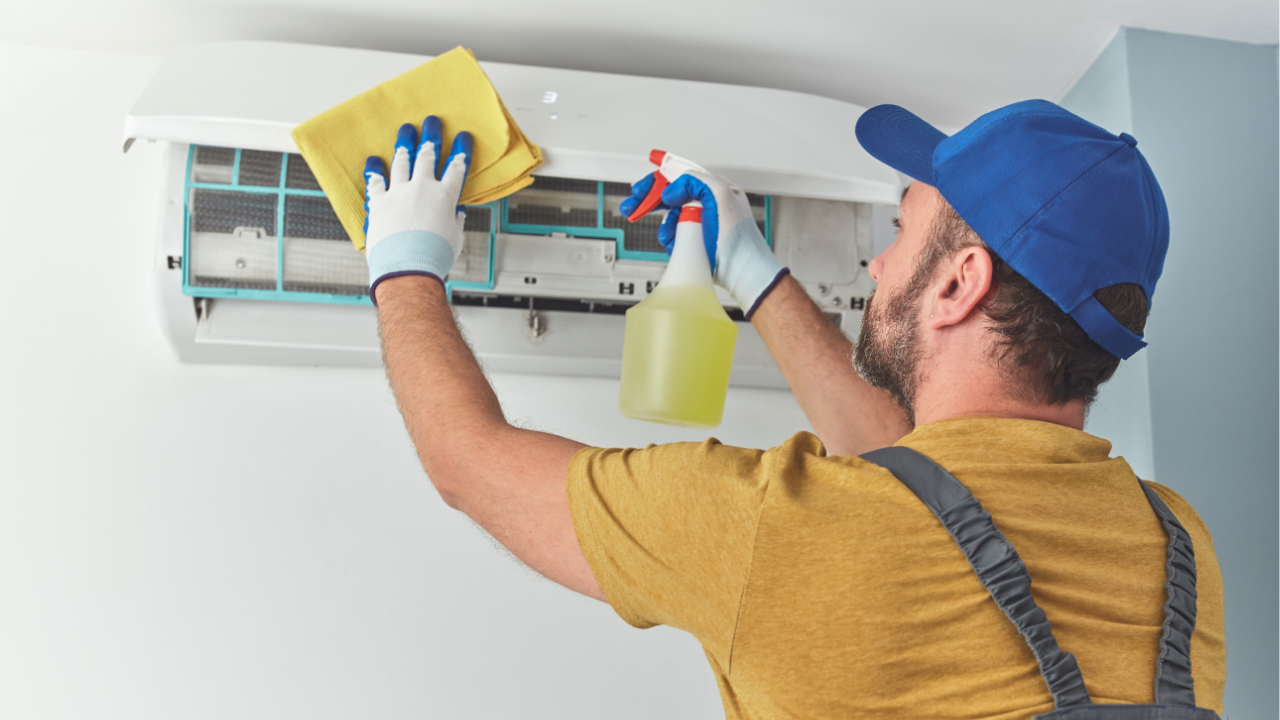
In Florida, your air conditioner does a lot more than simply cool your home. It helps control humidity, improve indoor comfort, support healthier air quality, and protect your family from extreme heat nearly year round. Because Florida’s climate is hot, humid, and demanding on HVAC systems, regular AC maintenance is not optional. It is one of the most important ways to keep your system running efficiently and avoid expensive breakdowns.
One of the most common questions homeowners ask is: “How often should I service my AC in Florida?” The answer is typically twice per year, although some homes may benefit from more frequent inspections depending on system usage, indoor air quality concerns, and environmental conditions.
At Wright Brothers HVAC, Florida homeowners rely on trusted professionals for preventative AC maintenance, AC repair, indoor air quality solutions, and HVAC replacement services designed specifically for Florida homes and weather conditions.
This guide explains how often you should service your AC system in Florida, why regular maintenance matters, and how routine HVAC tune up services can help homeowners save money and improve long term comfort.
Why Florida HVAC Systems Need More Maintenance
Florida HVAC systems experience much heavier workloads than systems in cooler climates.
In many states, air conditioners may only run seasonally. In Florida, residential HVAC systems often operate for most of the year due to ongoing heat and humidity.
Florida Climate Challenges That Affect HVAC Systems
High Humidity
Your HVAC system removes moisture as well as heat. Constant humidity forces the system to work harder.
Extreme Summer Temperatures
Long periods of heat increase wear on compressors, motors, coils, and electrical components.
Salt Air Exposure
Coastal homes may experience corrosion around outdoor HVAC equipment.
Heavy System Usage
Frequent operation increases strain on critical components and shortens equipment lifespan if maintenance is neglected.
Indoor Air Quality Concerns
Florida homes are more vulnerable to mold, allergens, dust buildup, and excess moisture.
Because of these conditions, preventative AC maintenance becomes essential for maintaining comfort, efficiency, and indoor air quality.
Homeowners can learn more about the company’s experience and commitment to Florida families by visiting the About Wright Brothers HVAC page.
How Often Should You Service Your AC in Florida?
Most HVAC professionals recommend servicing your air conditioner at least twice per year in Florida.
Recommended HVAC Maintenance Schedule
Spring Maintenance Visit
A spring HVAC tune up prepares the system before peak summer temperatures arrive.
Fall Maintenance Visit
A second inspection after summer helps identify wear caused by heavy seasonal usage.
This biannual schedule helps homeowners catch problems early before they become major repair issues.
Homeowners looking for year round protection can explore professional preventative AC maintenance plans designed specifically for Florida HVAC systems.
Homes That May Need More Frequent AC Service
Some Florida homeowners may benefit from more frequent HVAC maintenance.
You May Need Additional Service If You Have:
Pets that increase dander and hair buildup
Family members with allergies or asthma
Older HVAC systems
Coastal properties exposed to salt air
Large households
Constant AC usage
Indoor humidity problems
In these situations, additional maintenance can improve system performance and indoor comfort significantly.
What Happens During Preventative AC Maintenance?
Many homeowners assume AC maintenance simply involves changing a filter, but professional HVAC tune up services involve a much more detailed system inspection.
At Wright Brothers HVAC, preventative AC maintenance is designed to improve efficiency, identify potential problems early, and extend system lifespan.
Typical HVAC Tune Up Services Include
Thermostat Testing
Ensures accurate communication between the thermostat and HVAC system.
Refrigerant Inspection
Low refrigerant levels can reduce cooling performance and damage compressors.
Condenser Cleaning
Outdoor units are cleaned to improve airflow and efficiency.
Evaporator Coil Inspection
Dirty coils reduce cooling effectiveness and increase energy usage.
Electrical System Checks
Technicians inspect wiring, capacitors, and electrical components for safety.
Drain Line Cleaning
Clogged condensate lines are extremely common in Florida because of humidity.
Air Filter Evaluation
Dirty filters restrict airflow and reduce system efficiency.
Airflow Testing
Balanced airflow helps maintain even cooling throughout the home.
Routine maintenance helps reduce the risk of emergency AC and heating repairs during Florida’s hottest months.
Why Preventative AC Maintenance Saves Money
Some homeowners delay maintenance because their AC system still appears to work normally. Unfortunately, HVAC issues often develop gradually and become more expensive over time.
Benefits of Regular HVAC Maintenance
Lower Energy Bills
Efficient HVAC systems use less electricity to cool the home.
Fewer Repairs
Small issues are often identified before major damage occurs.
Longer Equipment Lifespan
Well maintained systems generally last longer.
Improved Cooling Performance
Routine service helps maintain consistent indoor comfort.
Better Indoor Air Quality
Clean HVAC systems circulate cleaner air.
Reduced Breakdown Risk
Maintenance lowers the chance of unexpected summer failures.
For Florida homeowners, preventative AC maintenance is often far less expensive than emergency repairs or premature system replacement.
Warning Signs Your AC System Needs Service
Even if your system was recently maintained, certain symptoms indicate it may need immediate attention.
Common Signs Your AC Needs Service
Warm Air From Vents
May indicate refrigerant issues, airflow problems, or compressor failure.
Weak Airflow
Often caused by dirty filters, blower issues, or blocked ducts.
High Indoor Humidity
Poor humidity control can signal HVAC performance issues.
Frequent Cycling
Short cycling increases strain and reduces efficiency.
Rising Utility Bills
Sudden energy spikes often indicate declining HVAC efficiency.
Strange Noises
Grinding, buzzing, banging, or screeching sounds should never be ignored.
Musty Odors
Could indicate mold growth or drain line issues.
Prompt repairs can prevent small issues from becoming much larger problems.
Homeowners noticing these symptoms may also benefit from reading 7 Signs Your HVAC System Needs Immediate Repair Before Summer, which explains common warning signs Florida homeowners should never ignore.
The Connection Between HVAC Maintenance and Indoor Air Quality
Indoor air quality solutions and HVAC maintenance go hand in hand.
Your HVAC system constantly circulates air throughout the home. If components become dirty or clogged, contaminants can spread through indoor airflow.
Poor HVAC Maintenance Can Contribute To:
Dust buildup
Mold spores
Allergens
Excess humidity
Poor ventilation
Airborne contaminants
Florida’s humidity creates ideal conditions for indoor air quality issues if HVAC systems are not properly maintained.
Indoor Air Quality Solutions That Help Florida Homes
In addition to regular maintenance, many homeowners benefit from advanced indoor air quality upgrades.
Popular Indoor Air Quality Solutions
Whole Home Dehumidifiers
Help control excess moisture indoors.
Advanced Air Filtration
Improves removal of allergens and airborne particles.
UV Light Air Purification
Helps reduce microbial growth inside HVAC systems.
Air Purification Systems
Improve cleaner airflow throughout the home.
Duct Inspections
Identify airflow restrictions and contamination concerns.
Homeowners interested in improving comfort and cleaner airflow can explore advanced indoor air quality solutions tailored specifically for Florida homes.
Can Maintenance Help Avoid HVAC Replacement?
Routine maintenance cannot stop aging entirely, but it can significantly extend HVAC system lifespan.
Well Maintained Systems Typically Experience:
Fewer breakdowns
Better efficiency
Improved airflow
Reduced component strain
Lower operating costs
However, older systems eventually lose performance even with proper maintenance.
When Should You Consider HVAC Replacement Services?
Homeowners should consider HVAC replacement services if their system:
Is over 10 to 15 years old
Requires frequent repairs
Causes high energy bills
Struggles to cool evenly
Uses outdated refrigerant
Has declining reliability
Modern energy efficient HVAC systems offer major improvements in:
Cooling performance
Humidity control
Indoor comfort
Energy savings
Indoor air quality support
Professional HVAC replacement services can help homeowners upgrade to systems designed for Florida’s demanding climate conditions.
What Homeowners Should Do Between Service Visits
Between professional maintenance appointments, homeowners can take simple steps to support HVAC performance.
Helpful HVAC Care Tips
Change Filters Regularly
Most Florida homes benefit from filter changes every 30 to 60 days.
Keep Outdoor Units Clear
Remove debris, leaves, and vegetation around condensers.
Monitor Humidity Levels
Excess indoor moisture may indicate HVAC problems.
Watch for New Noises
Unusual sounds often signal developing issues.
Schedule Repairs Promptly
Small HVAC problems rarely improve on their own.
For additional HVAC tips, maintenance advice, and seasonal insights, homeowners can also explore the company’s regularly updated HVAC blog.
Frequently Asked Questions
How often should AC systems be serviced in Florida?
Most HVAC professionals recommend servicing residential HVAC systems twice per year because of Florida’s heavy cooling demands and humidity.
Is annual AC maintenance enough in Florida?
Usually not. Florida HVAC systems operate much more frequently than systems in cooler climates, making biannual maintenance the preferred schedule.
What season is best for HVAC maintenance?
Spring and fall are ideal because they prepare the system before and after peak summer operation.
Can preventative AC maintenance lower energy bills?
Yes. Well maintained systems generally operate more efficiently and use less electricity.
How long do HVAC systems last in Florida?
Most systems last around 10 to 15 years depending on maintenance, usage, and environmental conditions.
Can HVAC maintenance improve indoor air quality?
Absolutely. Clean HVAC systems help reduce dust, allergens, mold buildup, and airflow restrictions.
Keep Your Florida Home Comfortable With Wright Brothers HVAC
Florida homeowners depend on their HVAC systems almost every day of the year. Waiting until the air conditioner breaks down completely can lead to expensive emergency repairs, uncomfortable indoor temperatures, and unnecessary stress during peak summer heat.
Routine preventative AC maintenance helps improve efficiency, extend system lifespan, support healthier indoor air quality, and reduce the risk of costly breakdowns.
Whether you need AC repair, HVAC tune up services, indoor air quality solutions, or HVAC replacement services, Wright Brothers HVAC provides trusted residential HVAC services tailored to Florida homeowners.
Scheduling regular AC maintenance today can help keep your home cooler, cleaner, and more energy efficient throughout Florida’s demanding climate.