How Smart Thermostats Improve Energy Efficiency and Comfort
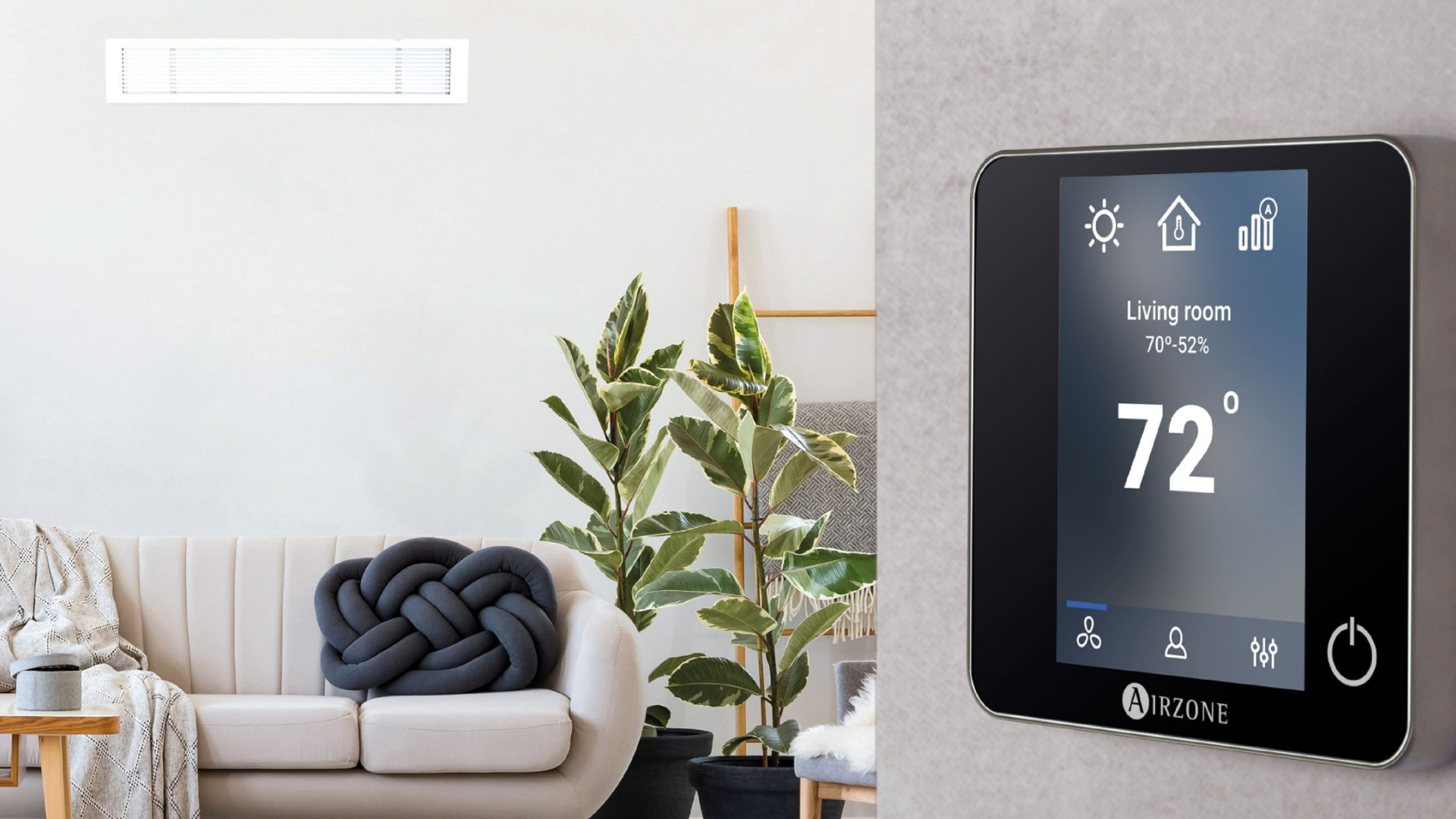
For Florida homeowners, keeping indoor temperatures comfortable year round can become expensive without the right HVAC technology. With long cooling seasons, high humidity, and rising energy costs, many homeowners are searching for smarter ways to improve comfort while lowering monthly utility bills.
One of the most effective upgrades available today is a smart thermostat.
Modern smart thermostats do far more than simply adjust temperature settings. They help optimize HVAC performance, improve indoor comfort, reduce energy waste, and support healthier indoor air quality. In 2026, smart thermostat technology has become an important part of energy efficient HVAC systems and modern residential HVAC services.
At Wright Brothers HVAC, many Florida homeowners are upgrading to smart HVAC controls as part of preventative AC maintenance plans, HVAC replacement services, and indoor air quality improvements.
What Is a Smart Thermostat?
A smart thermostat is an advanced temperature control device that automatically manages your heating and cooling system based on your habits, preferences, occupancy, and indoor conditions.
Unlike traditional thermostats, smart thermostats can:
Learn household routines
Adjust temperatures automatically
Connect to Wi Fi networks
Be controlled remotely through smartphones
Monitor HVAC performance
Improve humidity management
Help reduce unnecessary energy use
Many systems also integrate with smart home technology for even greater convenience and control.
Why Smart Thermostats Matter in Florida
Florida homes place enormous demand on air conditioning systems. During summer, HVAC systems may run for long hours every day to maintain indoor comfort.
Without efficient temperature management, homeowners may experience:
High utility bills
Uneven cooling
Excess indoor humidity
Increased HVAC wear and tear
Reduced system lifespan
Smart thermostats help reduce these problems by allowing HVAC systems to operate more efficiently.
Even small temperature adjustments made automatically throughout the day can create significant energy savings over time. Homeowners experiencing inconsistent cooling may also benefit from reading why your AC is blowing warm air in Florida and how to fix it.
1. Smart Thermostats Reduce Energy Waste
One of the biggest advantages of smart thermostats is their ability to minimize unnecessary cooling.
How Traditional Thermostats Waste Energy
Many homeowners leave their thermostat settings unchanged throughout the day, even when nobody is home.
This often leads to:
Overcooling empty homes
Higher electricity bills
Excess HVAC runtime
Increased equipment wear
How Smart Thermostats Improve Efficiency
Smart thermostats automatically adjust settings based on:
Occupancy patterns
Daily schedules
Outdoor temperatures
Indoor humidity levels
User preferences
For example, the system may reduce cooling slightly while the home is empty and restore comfort settings before occupants return.
Long Term Energy Savings
Energy efficient HVAC systems paired with smart thermostats can help reduce cooling costs significantly over time.
Benefits may include:
Lower monthly utility bills
Reduced HVAC strain
Improved operational efficiency
Better temperature consistency
2. Improved Indoor Comfort Throughout the Day
Comfort is about more than temperature alone. Florida homeowners also need proper humidity control and balanced airflow.
Smart Thermostats Help Maintain Consistent Comfort
Older thermostats often create noticeable temperature swings because they operate with limited responsiveness.
Smart systems improve comfort by:
Maintaining steadier temperatures
Reducing hot and cold spots
Adjusting cooling cycles automatically
Managing humidity more effectively
Better Humidity Control
Humidity plays a major role in indoor comfort across Florida.
Excess humidity can make homes feel:
Sticky
Warmer than the actual temperature
Uncomfortable even with AC running
Some smart thermostats work directly with advanced indoor air quality solutions and dehumidification systems to improve moisture control.
3. Remote Access and Mobile Control
Modern homeowners expect convenience, and smart thermostats provide complete control from almost anywhere.
Features Homeowners Appreciate
Using a smartphone or tablet, homeowners can:
Adjust temperatures remotely
Change schedules instantly
Monitor HVAC usage
Receive maintenance reminders
Track energy consumption
Why Remote Access Is Helpful
Florida homeowners often use remote access to:
Adjust settings while traveling
Prepare the home before arriving
Reduce cooling costs during vacations
Monitor vacation properties
Remote control also helps prevent unnecessary energy use when schedules unexpectedly change.
4. Smart Thermostats Support Preventative HVAC Maintenance
One overlooked advantage of smart thermostats is their ability to help homeowners identify HVAC problems earlier.
Smart Monitoring Features
Many smart systems can detect:
Unusual HVAC runtime patterns
Poor airflow performance
Sudden efficiency declines
Filter replacement needs
Humidity issues
Why Early Detection Matters
Identifying small problems early can help prevent:
Emergency AC repair situations
Expensive breakdowns
Reduced HVAC lifespan
High energy bills
Preventative AC maintenance combined with smart monitoring helps homeowners protect their HVAC investment more effectively.
At Wright Brothers HVAC, smart thermostat installations are often recommended alongside preventative AC maintenance plans for better long term system performance.
5. Better Compatibility With Energy Efficient HVAC Systems
Modern HVAC replacement services increasingly include smart thermostat integration because newer systems are designed to work together.
Features Modern HVAC Systems Support
Smart compatible systems may offer:
Variable speed airflow
Zoned cooling
Advanced humidity management
Smart scheduling
Energy usage optimization
Why Compatibility Matters
Older thermostats may not fully utilize the capabilities of high efficiency HVAC systems.
A smart thermostat helps maximize:
Cooling efficiency
Comfort consistency
Energy savings
Indoor air quality performance
Homeowners considering upgrading older equipment can explore AC and HVAC replacement services for systems designed to support smarter climate control technology.
6. Smart Scheduling Improves Daily Efficiency
One of the biggest advantages of smart thermostats is automated scheduling.
How Smart Scheduling Works
Instead of manually adjusting settings every day, homeowners can create customized cooling schedules based on:
Work hours
Sleep patterns
Weekend routines
Seasonal weather conditions
Some systems even learn household behaviors automatically over time.
Examples of Energy Saving Schedules
A smart thermostat may:
Raise temperatures slightly during work hours
Lower temperatures before bedtime
Adjust cooling during overnight hours
Adapt to changing occupancy patterns
These automatic adjustments improve comfort without wasting energy.
7. Enhanced Indoor Air Quality Management
Indoor air quality has become a major priority for Florida homeowners in 2026.
Smart Thermostats and Indoor Air Quality
Advanced smart thermostats can help monitor:
Humidity levels
Ventilation performance
Filter conditions
Air circulation patterns
Some systems also integrate directly with:
Whole home dehumidifiers
UV purification systems
Advanced filtration systems
Ventilation controls
Why This Matters in Florida
Florida’s humidity creates ideal conditions for:
Mold growth
Allergens
Musty odors
Airborne contaminants
Smart HVAC systems help homeowners manage these conditions more effectively. Homeowners interested in cleaner indoor air can also learn more through how often should you service your AC in Florida’s climate.
8. Reduced Wear and Tear on HVAC Equipment
Constant HVAC cycling and unnecessary runtime increase system wear over time.
How Smart Thermostats Protect HVAC Systems
By operating more efficiently, smart thermostats help reduce:
Excess runtime
Short cycling
Unnecessary cooling demands
Mechanical strain
Long Term Benefits
Reducing system strain may help:
Extend HVAC lifespan
Lower repair frequency
Improve system reliability
Delay expensive replacement needs
This is especially valuable in Florida where HVAC systems operate heavily throughout the year.
Homeowners noticing repeated breakdowns should review these key warning signs it may be time to replace your air conditioner.
Common Mistakes Homeowners Make With Smart Thermostats
While smart thermostats offer major benefits, improper setup can reduce performance.
Common Issues Include
Incorrect scheduling
Extreme temperature setbacks
Poor thermostat placement
Incompatible HVAC systems
Ignoring humidity settings
Professional installation helps ensure the thermostat works correctly with the home’s HVAC equipment. Experienced technicians from the About Wright Brothers HVAC team can help homeowners optimize thermostat placement and HVAC compatibility.
Should You Upgrade to a Smart Thermostat?
Many homeowners benefit from smart thermostat upgrades, especially if they:
Have older thermostats
Want lower energy bills
Experience uneven cooling
Travel frequently
Want better humidity control
Are upgrading HVAC equipment
Smart thermostats are particularly valuable when combined with energy efficient HVAC systems and professional HVAC care.
Frequently Asked Questions
Do smart thermostats really save energy?
Yes. Smart thermostats reduce unnecessary HVAC runtime by adjusting temperatures automatically based on occupancy and schedules.
Can smart thermostats lower utility bills?
Many homeowners experience lower cooling costs after upgrading because smart systems improve HVAC efficiency and reduce energy waste.
Are smart thermostats good for Florida homes?
Absolutely. Florida homeowners benefit from improved humidity management, energy efficiency, and cooling control during long summer seasons.
Do smart thermostats improve indoor air quality?
Some smart thermostats help monitor humidity, airflow, filtration, and ventilation systems that support healthier indoor air quality.
Can smart thermostats help prevent HVAC problems?
Yes. Many systems monitor HVAC performance and alert homeowners to maintenance concerns before major breakdowns occur.
Final Thoughts
Smart thermostats are becoming one of the most valuable upgrades for Florida homeowners looking to improve comfort, lower energy bills, and protect their HVAC systems.
By combining intelligent scheduling, remote access, humidity management, and energy optimization, these systems help homeowners create more comfortable and efficient living environments year round.
When paired with preventative AC maintenance, indoor air quality solutions, and modern HVAC equipment, smart thermostats provide long term benefits that go far beyond simple temperature control.
Whether you need HVAC replacement services, emergency AC repair, HVAC tune up services, or professional guidance on upgrading to smarter cooling technology, Wright Brothers HVAC provides trusted residential HVAC services designed specifically for Florida homeowners and Florida’s demanding climate.
Homeowners ready to improve comfort and efficiency with smart HVAC upgrades can contact the team to schedule a consultation or system evaluation.