The Hidden Dangers of Poor Indoor Air Quality in Your Home
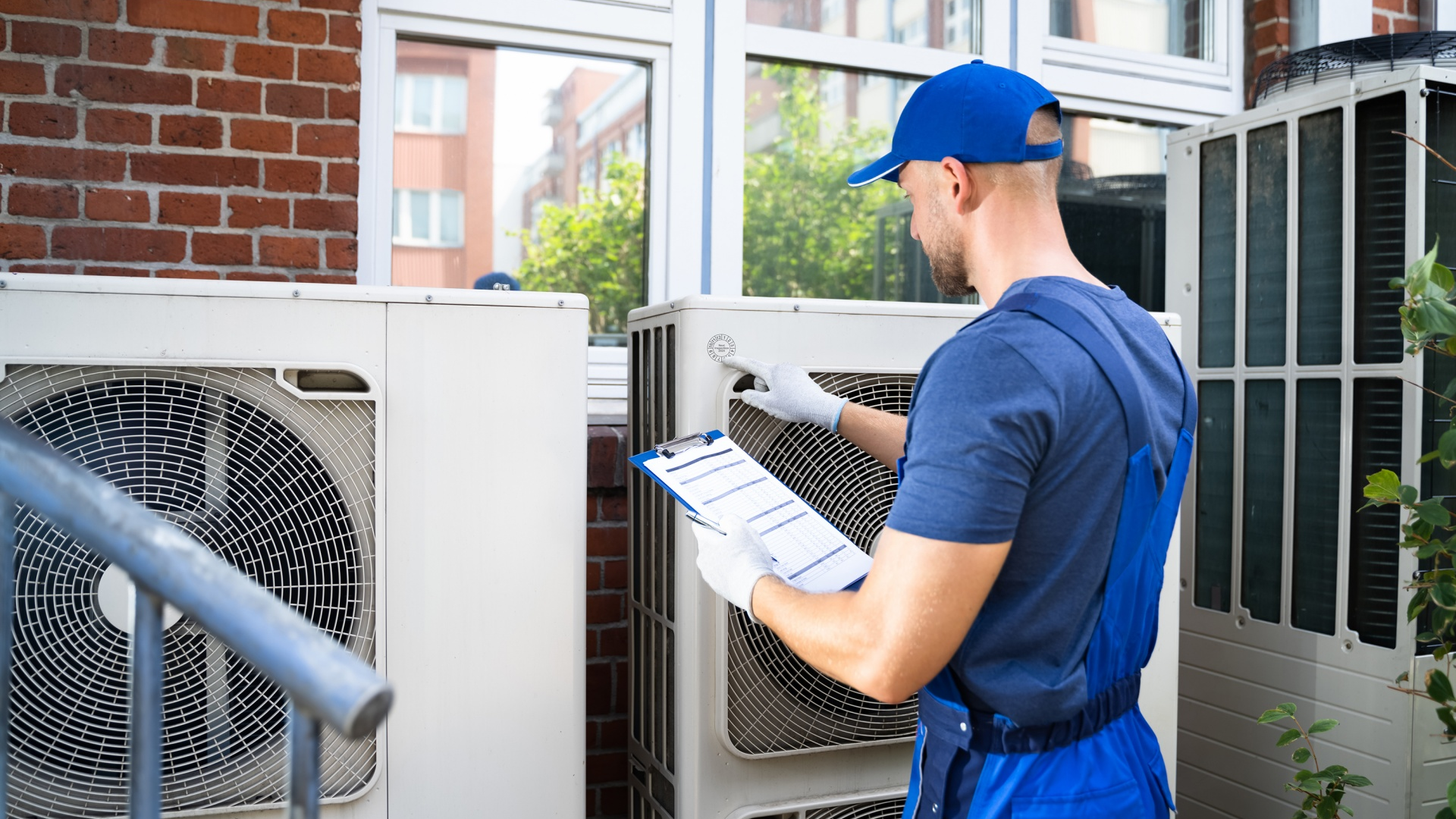
Most homeowners focus on keeping their homes clean, comfortable, and energy efficient, but many overlook one important factor that affects daily health and comfort: indoor air quality.
In Florida, indoor air quality problems are especially common because homes stay sealed for long periods while air conditioning systems run almost year round. High humidity, poor ventilation, dust buildup, and hidden contaminants can quietly affect the air your family breathes every day.
What makes poor indoor air quality dangerous is that many problems are not immediately visible. The warning signs often develop slowly over time, leading homeowners to overlook the connection between their indoor environment and their health or comfort issues.
At Wright Brothers HVAC, many homeowners seeking residential HVAC services discover that indoor air quality problems are directly tied to HVAC performance, humidity control, and ventilation issues inside the home.
What Is Indoor Air Quality?
Indoor air quality refers to the cleanliness and overall condition of the air inside your home.
This includes factors such as:
Humidity levels
Airborne allergens
Dust particles
Mold spores
Ventilation quality
Air filtration performance
Chemical pollutants
Bacteria and airborne contaminants
Poor indoor air quality can affect both your health and the efficiency of your HVAC system.
What homeowners should know:
Indoor air pollution can sometimes be more concentrated indoors than outdoors, especially in tightly sealed homes.
Why Florida Homes Face Higher Indoor Air Quality Risks
Florida’s climate creates unique indoor air quality challenges due to constant heat and humidity.
Common Florida Indoor Air Problems
Florida homeowners often deal with:
Excess moisture
Mold and mildew growth
High pollen levels
Dust accumulation
Poor ventilation
HVAC systems running continuously
When humidity remains high indoors, contaminants can spread more easily throughout the home.
Homeowners researching seasonal HVAC concerns often find helpful insights in this guide on common HVAC problems during Florida summers and how to prevent them.
Why HVAC Systems Matter
Your HVAC system does more than cool your home. It also helps regulate airflow, humidity, filtration, and ventilation.
Without proper preventative AC maintenance, HVAC systems can contribute to poor indoor air quality instead of improving it.
1. Poor Indoor Air Quality Can Trigger Allergies and Respiratory Problems
One of the most common effects of poor indoor air quality is increased respiratory irritation.
Common Symptoms Homeowners Experience
Sneezing
Congestion
Coughing
Itchy eyes
Headaches
Sinus irritation
Shortness of breath
Indoor Allergens Often Responsible
Many indoor air quality issues involve airborne allergens such as:
Dust mites
Pet dander
Mold spores
Pollen
Bacteria
Poor filtration and humidity problems allow these contaminants to circulate continuously through the home.
Why Symptoms Often Worsen Indoors
If symptoms improve when leaving the home but return indoors, indoor air quality may be contributing to the problem.
Professional indoor air quality solutions can help reduce airborne irritants and improve overall comfort.
2. Mold Growth Can Spread Quietly Throughout the Home
Florida’s humidity creates ideal conditions for mold growth, especially when HVAC systems struggle to control moisture properly.
Where Mold Often Develops
Mold commonly grows in:
Air ducts
Evaporator coils
Crawl spaces
Bathrooms
Attics
Around vents
Condensate drain systems
Why Mold Is Dangerous
Mold exposure may contribute to:
Respiratory irritation
Allergy flare ups
Musty odors
Asthma symptoms
Indoor discomfort
Signs of Hidden Mold Problems
Homeowners should watch for:
Persistent musty smells
Dark spots near vents
Excess indoor humidity
Increased allergy symptoms
Condensation buildup
Routine HVAC tune up services can help identify moisture related problems before mold spreads extensively.
For additional guidance, homeowners can also explore this article on the best indoor air quality solutions for Florida homes in 2026.
3. High Indoor Humidity Can Damage Your Home
Humidity affects more than comfort alone.
Hidden Damage Caused by Excess Moisture
Poor humidity control may lead to:
Warped wood flooring
Peeling paint
Furniture damage
Window condensation
Structural moisture issues
Why Humidity Makes Homes Feel Uncomfortable
Even if the temperature appears normal, excessive humidity can make indoor air feel:
Sticky
Heavy
Warmer than it actually is
Indoor Air Quality Solutions for Humidity Control
Florida homeowners often benefit from:
Whole home dehumidifiers
Energy efficient HVAC systems
Proper ventilation
Smart thermostat controls
Routine preventative AC maintenance
Managing indoor humidity is one of the most important parts of maintaining healthy indoor air in Florida homes.
Many homeowners also improve comfort and efficiency by installing smart thermostats that improve energy efficiency and comfort.
4. Dirty HVAC Systems Can Circulate Contaminants
Many homeowners do not realize their HVAC system can distribute pollutants throughout the home if it is not properly maintained.
HVAC Problems That Affect Air Quality
Dirty air filters
Dust filled ductwork
Mold growth inside components
Poor airflow
Clogged coils
Dirty blower systems
What Happens Without Maintenance
Without regular service, contaminants may continue circulating through vents and living spaces daily.
This can contribute to:
Dust buildup
Persistent odors
Reduced airflow
Poor cooling efficiency
Professional air conditioning repair experts can inspect HVAC systems for hidden air quality concerns during maintenance visits.
5. Poor Air Quality Can Affect Sleep and Daily Comfort
Indoor air quality influences overall comfort more than many homeowners realize.
Common Comfort Issues Linked to Air Quality
Difficulty sleeping
Dry throat
Fatigue
Stale indoor air
Uneven temperatures
Excessive dust
Why Airflow Matters
Poor airflow can create rooms that feel:
Too humid
Too warm
Stuffy
Uncomfortable
Modern HVAC replacement services often improve airflow and indoor comfort significantly through upgraded equipment and better humidity management.
If your current system struggles to maintain comfort, this guide explaining key warning signs it may be time to replace your air conditioner may help.
6. VOCs and Household Chemicals May Pollute Indoor Air
Volatile organic compounds, commonly called VOCs, are airborne chemicals released by many household products.
Common Sources of VOCs
Cleaning supplies
Paint
Furniture materials
Air fresheners
Flooring products
Building materials
Why VOCs Matter
Long term exposure may contribute to:
Eye irritation
Headaches
Respiratory discomfort
Poor indoor air freshness
Proper ventilation and filtration systems help reduce indoor chemical buildup.
7. Poor Indoor Air Quality Can Increase HVAC Costs
Indoor air quality and HVAC efficiency are closely connected.
How Air Quality Problems Affect HVAC Systems
Dirty filters, blocked airflow, and excess humidity force HVAC systems to work harder.
This often leads to:
Higher utility bills
Increased system strain
Frequent repairs
Reduced equipment lifespan
Why Preventative Maintenance Matters
Preventative AC maintenance helps:
Improve airflow
Clean system components
Maintain proper humidity control
Support energy efficiency
Florida homeowners looking to avoid costly breakdowns often benefit from reading about why preventative AC maintenance saves Florida homeowners thousands.
A trusted Florida HVAC company can identify air quality related system problems before they become expensive repairs.
Signs Your Home May Have Poor Indoor Air Quality
Many indoor air quality problems develop gradually.
Common Warning Signs Include:
Persistent allergy symptoms
Excess dust accumulation
Musty odors
Uneven humidity
Frequent headaches
Poor airflow
Visible mold
Stale indoor air
Sleep discomfort
What homeowners should know:
If multiple family members experience symptoms primarily indoors, your home’s air quality may be contributing to the issue.
If your system also struggles to cool properly, this article on why your AC is blowing warm air in Florida and how to fix it may help identify additional HVAC issues.
Best Indoor Air Quality Solutions for Florida Homes
Improving indoor air quality usually requires a combination of HVAC improvements and moisture control strategies.
Effective Indoor Air Quality Solutions Include:
Whole home dehumidifiers
Advanced air filtration systems
UV air purification systems
HVAC duct inspections
Smart thermostats
Ventilation improvements
Routine HVAC tune up services
Why Professional Evaluation Matters
Every home has different indoor air quality challenges based on:
Home size
HVAC design
Humidity exposure
Occupancy
Pets
Ventilation conditions
Professional evaluations help homeowners identify the most effective solutions for their specific needs.
At Wright Brothers HVAC, indoor air quality assessments are tailored specifically for Florida homeowners and Florida’s humid climate conditions.
Homeowners can also browse the company’s latest HVAC blog resources for additional seasonal maintenance and indoor comfort tips.
How New HVAC Systems Improve Indoor Air Quality
Modern energy efficient HVAC systems provide major air quality improvements compared to older equipment.
Features of Newer HVAC Systems
Better filtration compatibility
Improved airflow management
Advanced humidity control
Smart ventilation integration
Cleaner operation
Homeowners investing in HVAC replacement services often experience noticeable improvements in both comfort and indoor air freshness.
If you are unsure whether your system needs repair or replacement, this article covering 7 signs your HVAC system needs immediate repair before summer offers useful insights.
Frequently Asked Questions
What causes poor indoor air quality in homes?
Common causes include excess humidity, poor ventilation, dirty HVAC systems, mold growth, dust buildup, pet dander, and inadequate filtration.
Can poor indoor air quality affect health?
Yes. Poor indoor air quality may contribute to allergies, respiratory irritation, headaches, fatigue, and indoor discomfort.
How can I improve indoor air quality in Florida?
Homeowners can improve air quality through humidity control, HVAC maintenance, upgraded filtration, UV purification systems, and better ventilation.
How often should HVAC filters be changed?
Most Florida homeowners should check filters monthly and replace them every 30 to 90 days depending on system usage and indoor conditions.
Homeowners can learn more in this helpful guide explaining how often you should service your AC in Florida’s climate.
Can HVAC maintenance improve indoor air quality?
Absolutely. Preventative AC maintenance helps keep HVAC systems clean, improves airflow, and reduces moisture related problems that affect air quality.
Final Thoughts
Poor indoor air quality often develops quietly, but its effects can impact your family’s comfort, health, energy costs, and overall quality of life.
In Florida, controlling humidity, maintaining HVAC systems, and improving ventilation are essential for creating healthier indoor environments. Addressing indoor air quality problems early can help homeowners avoid mold growth, respiratory irritation, rising utility bills, and unnecessary HVAC strain.
Whether you need preventative AC maintenance, indoor air quality solutions, emergency AC repair, or complete HVAC replacement services, homeowners can learn more about the company’s experience and commitment by visiting the About page or reaching out directly through the contact page.