Common HVAC Problems During Florida Summers and How to Prevent Them
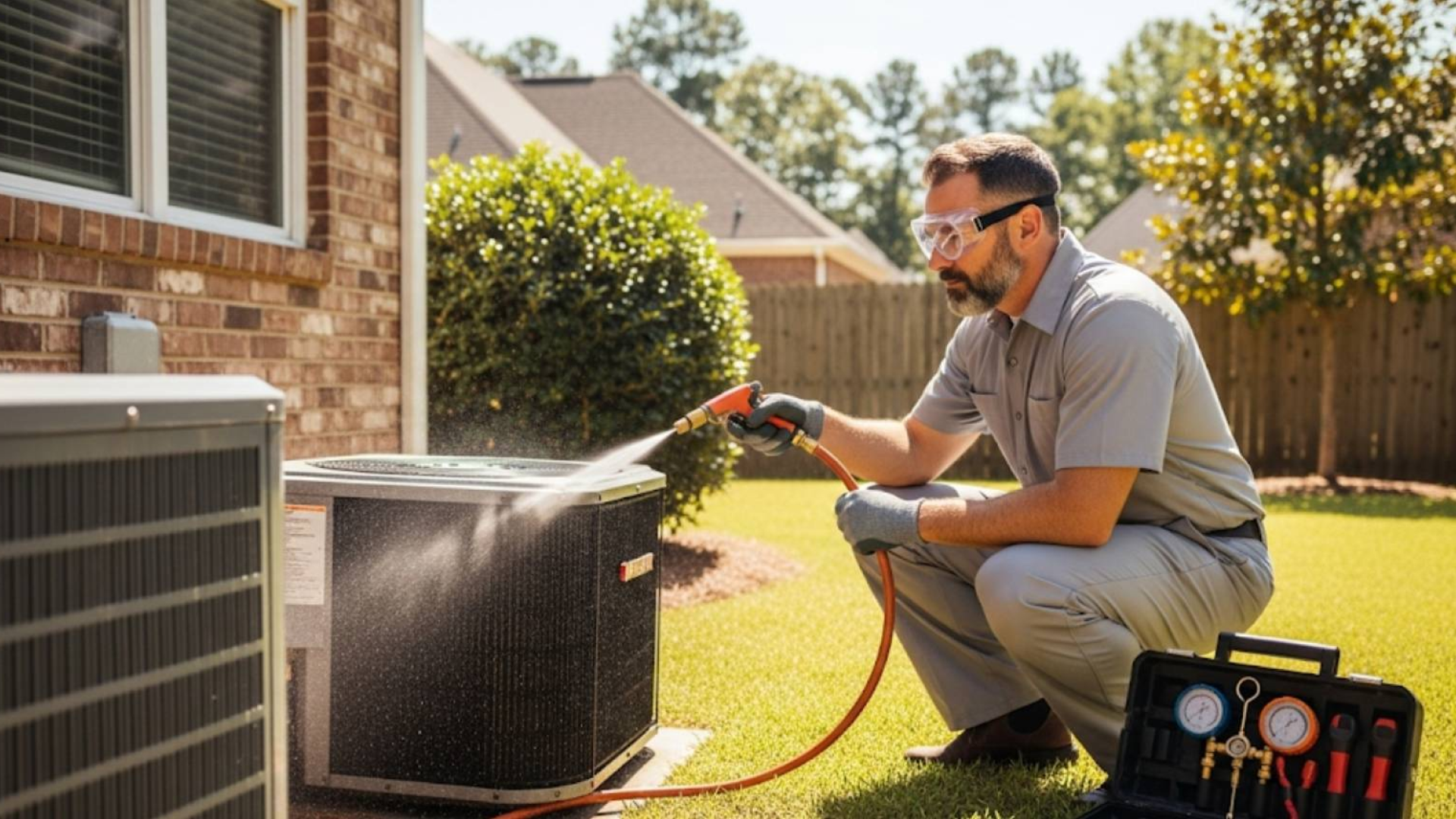
Florida summers are known for intense heat, high humidity, sudden storms, and long cooling seasons. For homeowners, that often means one thing: your air conditioning system works harder than almost anywhere else in the country. When temperatures rise and humidity levels stay high for months, HVAC systems face constant strain that can lead to costly breakdowns, poor indoor comfort, and rising energy bills.
Understanding the most common HVAC problems during Florida summers can help homeowners prevent emergencies before they happen. With the right preventative AC maintenance, timely repairs, and professional HVAC support, you can keep your home comfortable and energy efficient even during the hottest months of the year.
At Wright Brothers HVAC, Florida homeowners rely on experienced technicians for dependable AC repair, HVAC replacement services, indoor air quality solutions, and residential HVAC services designed specifically for Florida’s climate.
Why Florida Summers Are Tough on HVAC Systems
Florida’s climate creates unique challenges for residential air conditioning systems. Unlike areas where HVAC systems get seasonal breaks, Florida AC units often run nearly year round.
Several environmental factors increase wear and tear on HVAC systems:
High humidity levels
Extreme daytime temperatures
Salt air exposure in coastal areas
Frequent thunderstorms and power fluctuations
Extended cooling cycles
These conditions can reduce efficiency, increase energy consumption, and shorten the lifespan of HVAC equipment without regular maintenance.
Homeowners who stay proactive with seasonal inspections and preventative care often avoid the emergency repairs discussed in this helpful guide on 7 signs your HVAC system needs immediate repair before summer.
1. Frozen Evaporator Coils
One of the most common AC repair Florida homeowners experience during summer is frozen evaporator coils.
What Causes Frozen Coils?
Evaporator coils freeze when airflow becomes restricted or refrigerant levels are too low. Common causes include:
Dirty air filters
Blocked vents
Refrigerant leaks
Dirty evaporator coils
Failing blower motors
Although it sounds strange, frozen coils usually happen during periods of heavy AC usage.
Signs Your Coils May Be Frozen
Homeowners should watch for these warning signs:
Warm air coming from vents
Ice buildup on indoor HVAC components
Reduced airflow
Higher utility bills
AC system running continuously
How to Prevent Frozen Coils
Regular HVAC tune up services are one of the best ways to prevent frozen coils during Florida summers.
Prevention tips include:
Replace air filters every 1 to 3 months
Schedule preventative AC maintenance before summer
Keep supply vents open and unobstructed
Address refrigerant leaks immediately
Have coils professionally cleaned
Professional AC and heating repair services can identify airflow issues before they become major system failures.
2. Refrigerant Leaks
Refrigerant is essential for removing heat from your home. When refrigerant levels drop due to leaks, your AC system loses cooling power and efficiency.
Common Signs of Refrigerant Problems
You may notice:
Weak cooling performance
Longer cooling cycles
Hissing sounds near the unit
Frozen refrigerant lines
Rising energy costs
Low refrigerant is not simply a “top off” issue. If refrigerant is low, there is usually a leak that requires professional repair.
Why Refrigerant Leaks Matter
Ignoring refrigerant leaks can lead to:
Compressor damage
Complete system breakdown
Poor indoor humidity control
Reduced energy efficiency
In many cases, delaying repairs turns a manageable AC repair into a much more expensive HVAC replacement service.
Prevention Tips
To reduce refrigerant related issues:
Schedule annual HVAC inspections
Monitor cooling performance regularly
Call professionals when cooling declines
Avoid overworking older systems
If your AC has started losing cooling efficiency, homeowners may also benefit from reading why your AC is blowing warm air in Florida and how to fix it.
3. Clogged Condensate Drain Lines
Florida humidity causes HVAC systems to remove large amounts of moisture from indoor air. That moisture drains through a condensate line, which can easily become clogged with algae, dirt, or debris.
Symptoms of a Clogged Drain Line
Common warning signs include:
Water leaks near indoor units
Musty odors
AC shutting off unexpectedly
Excess indoor humidity
Water damage around the air handler
Why This Problem Is Common in Florida
Because Florida homes experience high humidity almost constantly, condensate systems work overtime. Without maintenance, buildup inside the drain line becomes inevitable.
How to Prevent Drain Line Clogs
Homeowners can reduce risk by:
Scheduling regular preventative AC maintenance
Installing drain line treatments
Keeping indoor units clean
Addressing excess humidity quickly
Professional preventative AC maintenance plans often include condensate drain inspections and cleaning to prevent water damage and emergency repairs.
4. Dirty or Blocked Air Filters
A clogged air filter may seem minor, but it can cause major HVAC performance problems.
How Dirty Filters Affect Your HVAC System
Restricted airflow forces your AC system to work harder, increasing energy usage and reducing cooling performance.
Dirty filters can contribute to:
Frozen coils
Poor indoor air quality
Increased dust accumulation
Uneven cooling
System overheating
Indoor Air Quality Concerns
Indoor air quality solutions are especially important in Florida homes where windows remain closed for much of the year.
Poor filtration can worsen:
Allergies
Asthma symptoms
Dust buildup
Mold exposure
Pet dander circulation
Best Practices for Homeowners
Changing your air filter regularly is one of the easiest and most affordable ways to protect your HVAC system.
Experts recommend:
Checking filters monthly during summer
Replacing standard filters every 30 to 90 days
Using the correct filter size and rating
Scheduling indoor air quality evaluations when needed
Homeowners interested in improving overall comfort and air cleanliness can explore advanced indoor air quality solutions designed specifically for Florida homes.
5. Overworked HVAC Systems
Florida summers often push older systems beyond their limits. If your air conditioner runs continuously without properly cooling your home, the system may be struggling with age, inefficiency, or improper sizing.
Signs Your System Is Overworked
Watch for:
Constant cycling
Uneven temperatures
Excess humidity indoors
Frequent breakdowns
High electric bills
When Repairs May No Longer Be Enough
Older systems often require repeated emergency AC repair visits that add up quickly. In some cases, upgrading to an energy efficient HVAC system provides better long term value.
Benefits of HVAC Replacement Services
Modern systems offer:
Improved energy efficiency
Better humidity control
Lower monthly utility costs
Quieter operation
Smart thermostat compatibility
Enhanced indoor comfort
A trusted Florida HVAC company can help determine whether repair or replacement makes the most financial sense. Homeowners comparing options should review these key warning signs in is it time to replace your air conditioner.
When replacement becomes necessary, professional AC and HVAC system replacement services can help homeowners choose properly sized, energy efficient systems for Florida’s demanding climate.
6. Electrical Component Failures
Frequent storms and power surges during Florida summers can damage HVAC electrical components.
Components Most Commonly Affected
Capacitors
Contactors
Circuit boards
Wiring connections
Thermostats
Warning Signs of Electrical Problems
Homeowners may notice:
AC not turning on
Clicking noises
Frequent breaker trips
Intermittent cooling
Thermostat malfunctions
Prevention Strategies
Preventative maintenance helps identify worn electrical components before failure occurs.
Additional protection tips include:
Installing surge protection
Addressing unusual noises immediately
Avoiding DIY electrical repairs
Scheduling professional inspections annually
7. Poor Indoor Humidity Control
Cooling is only part of your HVAC system’s job. Managing indoor humidity is equally important in Florida homes.
Why Humidity Matters
Excess humidity can make your home feel hotter even when temperatures are low. It can also contribute to:
Mold growth
Musty odors
Wood damage
Allergy problems
Reduced indoor comfort
Signs of High Indoor Humidity
You may notice:
Sticky indoor air
Condensation on windows
Damp smells
Mold spots
Increased allergy symptoms
Indoor Air Quality Solutions for Florida Homes
Effective indoor air quality solutions may include:
Whole home dehumidifiers
Advanced filtration systems
UV air purification systems
Proper HVAC sizing
Routine maintenance
The team on the About page understands the unique humidity challenges Florida homeowners face and provides customized recommendations for long term comfort and healthier indoor air.
The Importance of Preventative AC Maintenance
Preventative AC maintenance is one of the most effective ways to avoid expensive repairs and sudden breakdowns during summer.
What Professional HVAC Maintenance Typically Includes
Comprehensive HVAC tune up services often involve:
Checking refrigerant levels
Cleaning evaporator and condenser coils
Inspecting electrical connections
Testing thermostat performance
Cleaning condensate drain lines
Replacing or inspecting filters
Evaluating airflow and system efficiency
Benefits of Regular Maintenance
Routine maintenance helps homeowners:
Extend HVAC system lifespan
Reduce emergency repair costs
Improve cooling efficiency
Lower monthly energy bills
Maintain manufacturer warranties
Improve indoor air quality
For Florida homeowners, maintenance is not optional. It is essential for keeping systems reliable during extreme heat.
Homeowners unsure about maintenance timing can learn more from this helpful resource on how often you should service your AC in Florida’s climate.
When Should Homeowners Call an HVAC Professional?
Many homeowners wait until their system completely fails before calling for help. Unfortunately, delayed repairs often increase damage and repair costs.
Call an HVAC Professional If You Notice:
Warm air from vents
Weak airflow
Unusual noises
Water leaks
High humidity indoors
Sudden increases in energy bills
Frequent cycling
Burning odors
Trusted air conditioning repair experts can diagnose issues early and help prevent full system failures. Homeowners can also explore additional seasonal tips and HVAC insights on the company’s HVAC blog.
Frequently Asked Questions
How often should AC systems be serviced in Florida?
Most Florida homeowners should schedule preventative AC maintenance at least twice per year due to the heavy workload placed on HVAC systems in hot, humid climates.
What is the most common HVAC issue during Florida summers?
Frozen evaporator coils, clogged drain lines, and refrigerant leaks are among the most common summer HVAC problems in Florida homes.
How can I improve indoor air quality in Florida?
Indoor air quality can improve through regular filter changes, whole home dehumidifiers, UV purification systems, duct inspections, and professional HVAC maintenance.
Should I repair or replace my HVAC system?
If your system is older, inefficient, or requiring frequent repairs, HVAC replacement services may provide better long term savings and comfort.
Why is my AC running constantly during summer?
Your system may be overworked due to extreme heat, dirty filters, low refrigerant, poor insulation, or aging equipment. A professional inspection can identify the cause.
Final Thoughts
Florida summers place enormous stress on residential HVAC systems. From frozen coils and refrigerant leaks to humidity problems and electrical failures, homeowners face several common cooling challenges every year.
The good news is that many of these problems are preventable with regular maintenance, prompt repairs, and professional support from experienced HVAC technicians.
Working with a trusted Florida HVAC company helps homeowners stay ahead of costly issues while improving comfort, efficiency, and indoor air quality.
Whether you need emergency AC repair, preventative AC maintenance, indoor air quality solutions, or complete HVAC replacement services, Wright Brothers HVAC provides dependable residential HVAC services tailored to Florida homeowners.
Homeowners looking to schedule inspections, maintenance, or repairs can easily contact the team before peak summer temperatures place additional stress on their HVAC systems.