Best Indoor Air Quality Solutions for Florida Homes in 2026
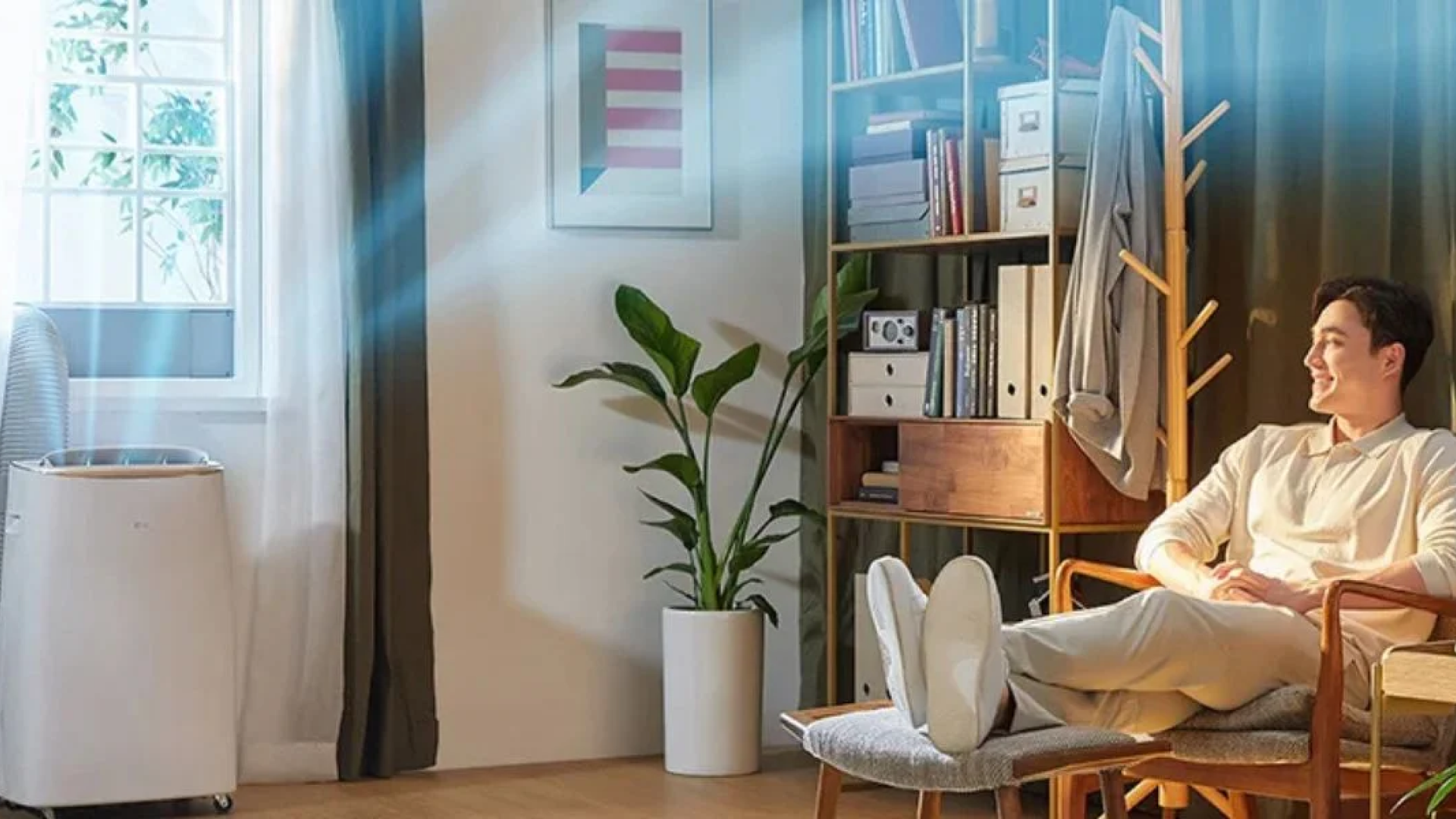
Florida homeowners are paying closer attention to indoor air quality than ever before. Between year round humidity, allergens, mold risks, wildfire smoke concerns, pet dander, and tightly sealed modern homes, the air inside many houses can become more polluted than the air outdoors.
In 2026, indoor air quality solutions are no longer considered luxury upgrades. They are becoming an essential part of maintaining a healthier, more comfortable, and energy efficient home environment.
For homeowners across Florida, improving indoor air quality means more than simply changing an air filter. It involves creating a complete strategy that addresses humidity control, airborne contaminants, ventilation, filtration, and HVAC system performance.
At Wright Brothers HVAC, homeowners are increasingly seeking professional indoor air quality solutions that work specifically for Florida’s climate and residential HVAC needs.
Why Indoor Air Quality Matters More in Florida
Florida homes face unique indoor air quality challenges due to the combination of heat and excessive humidity. Because air conditioners run almost continuously, homes stay sealed for long periods, trapping indoor pollutants inside.
Common indoor air pollutants include:
Dust and pollen
Mold spores
Pet dander
Bacteria and viruses
Volatile organic compounds (VOCs)
Excess moisture
Smoke particles
Household chemical pollutants
Poor indoor air quality can contribute to:
Allergy flare ups
Asthma symptoms
Respiratory irritation
Poor sleep quality
Headaches and fatigue
Musty odors
Mold growth
Reduced HVAC efficiency
Many indoor air quality problems are directly connected to HVAC system performance and humidity control. Homeowners who notice recurring comfort issues should also review these 7 signs your HVAC system needs immediate repair before summer.
1. Whole Home Dehumidifiers
One of the most effective indoor air quality solutions for Florida homes in 2026 is whole home dehumidification.
Why Humidity Control Is Critical in Florida
Even when your home feels cool, excess humidity can still make indoor spaces uncomfortable and unhealthy.
High humidity levels can lead to:
Mold and mildew growth
Sticky indoor air
Dust mite activity
Wood warping
Musty odors
Increased allergy symptoms
How Whole Home Dehumidifiers Work
Unlike portable units, whole home dehumidifiers integrate with your residential HVAC system to regulate moisture levels throughout the entire home.
Benefits include:
Improved comfort
Better energy efficiency
Reduced mold risk
Lower strain on HVAC systems
Cleaner indoor air
In 2026, many energy efficient HVAC systems now include smart humidity balancing technology that helps maintain ideal indoor moisture levels automatically.
Homeowners interested in humidity control and healthier air can explore advanced indoor air quality solutions designed specifically for Florida homes.
2. Advanced Air Filtration Systems
Basic HVAC filters are designed primarily to protect the equipment itself, not fully clean the air inside your home.
Upgraded Filtration Solutions
Modern indoor air quality systems now offer high efficiency filtration capable of capturing significantly smaller airborne particles.
Advanced filtration can help reduce:
Pollen
Pet hair and dander
Dust particles
Smoke contaminants
Bacteria
Allergens
MERV Ratings Explained
Higher MERV rated filters capture smaller particles, but your HVAC system must be compatible with the filter strength to maintain proper airflow.
Professional AC and heating repair services can help determine the best filtration setup for your system.
Signs Your Home May Need Better Filtration
Excess dust buildup
Frequent allergy symptoms
Poor airflow
Uneven cooling
Increased indoor odors
Florida homeowners dealing with weak airflow or uneven cooling may also benefit from reading why your AC is blowing warm air in Florida and how to fix it.
3. UV Air Purification Systems
UV air purification systems are becoming increasingly popular in Florida homes due to growing awareness of airborne contaminants and mold prevention.
How UV HVAC Systems Work
UV lights are installed inside HVAC systems near evaporator coils or air handlers where moisture tends to accumulate.
These systems help reduce:
Mold growth
Bacteria
Viruses
Biological contaminants
Why UV Systems Work Well in Florida
Florida’s humidity creates ideal conditions for microbial growth inside HVAC systems. UV purification adds an extra layer of protection where moisture buildup commonly occurs.
Additional Benefits
Cleaner HVAC components
Reduced musty odors
Improved airflow efficiency
Lower mold exposure risk
When combined with regular HVAC care, UV purification systems can help improve both air quality and HVAC system longevity.
4. Smart Thermostats With Air Quality Monitoring
In 2026, smart HVAC technology is playing a major role in indoor air quality management.
Features Modern Smart Systems Offer
Today’s smart thermostats can monitor:
Humidity levels
Air quality conditions
Filter replacement schedules
Ventilation performance
Energy efficiency trends
Some systems can even automatically adjust fan speeds and humidity settings based on indoor conditions.
Benefits for Florida Homeowners
Smart HVAC controls help homeowners:
Reduce excess humidity
Improve comfort consistency
Lower energy bills
Track HVAC performance
Improve airflow circulation
Many homeowners upgrading through AC and HVAC replacement services now prioritize smart indoor air quality technology as part of their investment.
5. Whole Home Air Purifiers
Whole home air purifiers work directly with residential HVAC systems to clean circulating indoor air continuously.
What Makes Whole Home Purifiers Different?
Unlike portable air purifiers that only treat single rooms, whole home systems provide filtration and purification throughout the entire property.
These systems may target:
Smoke particles
Odors
VOCs
Allergens
Airborne contaminants
Ideal Homes for Whole Home Purification
This solution is especially beneficial for:
Families with allergies
Pet owners
Homes near busy roads
Florida homes with high humidity
Households sensitive to airborne irritants
Professional HVAC tune up services often include evaluating airflow and filtration compatibility when adding purification systems.
6. Improved HVAC Ventilation Systems
Ventilation is often overlooked when discussing indoor air quality solutions.
Why Ventilation Matters
Tightly sealed homes can trap stale indoor air and pollutants inside for long periods.
Proper ventilation helps:
Introduce fresh air
Reduce indoor contaminants
Balance humidity levels
Improve overall comfort
Energy Recovery Ventilators (ERVs)
ERV systems are becoming more common in Florida homes because they exchange stale indoor air with fresh outdoor air while helping maintain energy efficiency.
Benefits include:
Reduced humidity imbalance
Better airflow
Improved air freshness
Enhanced energy performance
This technology pairs especially well with energy efficient HVAC systems designed for Florida’s demanding climate.
7. Duct Cleaning and Sealing
Even high quality HVAC systems can struggle if ductwork is dirty or leaking.
Common Ductwork Problems
Florida homes may experience:
Dust buildup
Mold inside ducts
Air leaks
Poor airflow distribution
Contaminant circulation
Signs Your Ductwork Needs Attention
Uneven room temperatures
Excess dust
Higher utility bills
Persistent odors
Weak airflow
Benefits of Duct Sealing
Sealing and cleaning duct systems can:
Improve HVAC efficiency
Reduce allergens
Enhance airflow
Lower energy waste
Improve indoor comfort
A trusted Florida HVAC company can inspect duct systems during preventative AC maintenance plans to identify hidden issues before they worsen.
The Connection Between HVAC Maintenance and Indoor Air Quality
Indoor air quality is closely connected to HVAC system condition.
Without proper maintenance, HVAC systems can circulate contaminants throughout the home.
What Professional Maintenance Helps Prevent
Routine maintenance reduces:
Mold growth
Dirty coil buildup
Drain line clogs
Airflow restrictions
Excess indoor humidity
Preventative AC Maintenance Benefits
Regular maintenance helps homeowners:
Improve indoor comfort
Maintain healthier air
Increase system efficiency
Extend HVAC lifespan
Reduce emergency AC repair risks
Many indoor air quality problems begin with neglected HVAC systems rather than outside pollution alone. Homeowners can learn more about proper service timing in how often should you service your AC in Florida’s climate.
Signs Your Florida Home Has Poor Indoor Air Quality
Homeowners should watch for warning signs that may indicate indoor air quality issues.
Common Symptoms Include:
Persistent allergy symptoms indoors
Excess dust accumulation
Musty or stale odors
Uneven humidity
Frequent headaches
Respiratory irritation
Mold growth near vents
Sleep discomfort
If multiple family members experience symptoms mainly inside the home, indoor air quality may be contributing to the problem.
How Energy Efficient HVAC Systems Improve Air Quality
Modern HVAC replacement services often include systems designed specifically to improve both comfort and air quality.
Features of Modern HVAC Systems
Newer systems commonly offer:
Better humidity management
Variable speed airflow
Enhanced filtration compatibility
Smart air monitoring
Improved ventilation integration
Upgrading older HVAC equipment can significantly improve indoor air quality while reducing monthly utility costs. Homeowners considering upgrades should review key warning signs it may be time to replace your air conditioner.
Frequently Asked Questions
What is the best indoor air quality solution for Florida homes?
Whole home dehumidifiers, advanced filtration systems, and UV air purification systems are among the most effective indoor air quality solutions for Florida homes due to high humidity levels.
How can I reduce humidity inside my home?
Professional dehumidification systems, properly sized HVAC equipment, regular maintenance, and improved ventilation can help control indoor humidity effectively.
Do air purifiers really help with allergies?
Yes. Whole home air purifiers and upgraded HVAC filtration systems can help reduce allergens like dust, pollen, pet dander, and airborne particles.
How often should HVAC filters be changed in Florida?
Most homeowners should check filters monthly and replace them every 30 to 90 days depending on system usage, pets, allergies, and filter type.
Can poor indoor air quality affect HVAC performance?
Absolutely. Dirty filters, clogged ducts, excess moisture, and airflow restrictions can reduce HVAC efficiency and increase wear on the system.
Final Thoughts
Indoor air quality has become one of the most important aspects of home comfort in Florida. As homeowners spend more time indoors and HVAC systems operate year round, cleaner air and humidity control are essential for healthier living.
From whole home dehumidifiers and UV purification systems to smart HVAC technology and advanced filtration, the best indoor air quality solutions in 2026 focus on creating cleaner, healthier, and more energy efficient homes.
Working with an experienced Florida HVAC company ensures homeowners receive customized solutions designed specifically for Florida’s challenging climate conditions.
Whether you need preventative AC maintenance, indoor air quality upgrades, emergency AC repair, or complete HVAC replacement services, Wright Brothers HVAC provides trusted residential HVAC services focused on long term comfort, healthier indoor environments, and dependable system performance year round.
Homeowners looking for personalized indoor air quality recommendations or HVAC support can easily contact the team to schedule an inspection or consultation.