AC Repair vs AC Replacement: Which Option Is Better for Your Home?
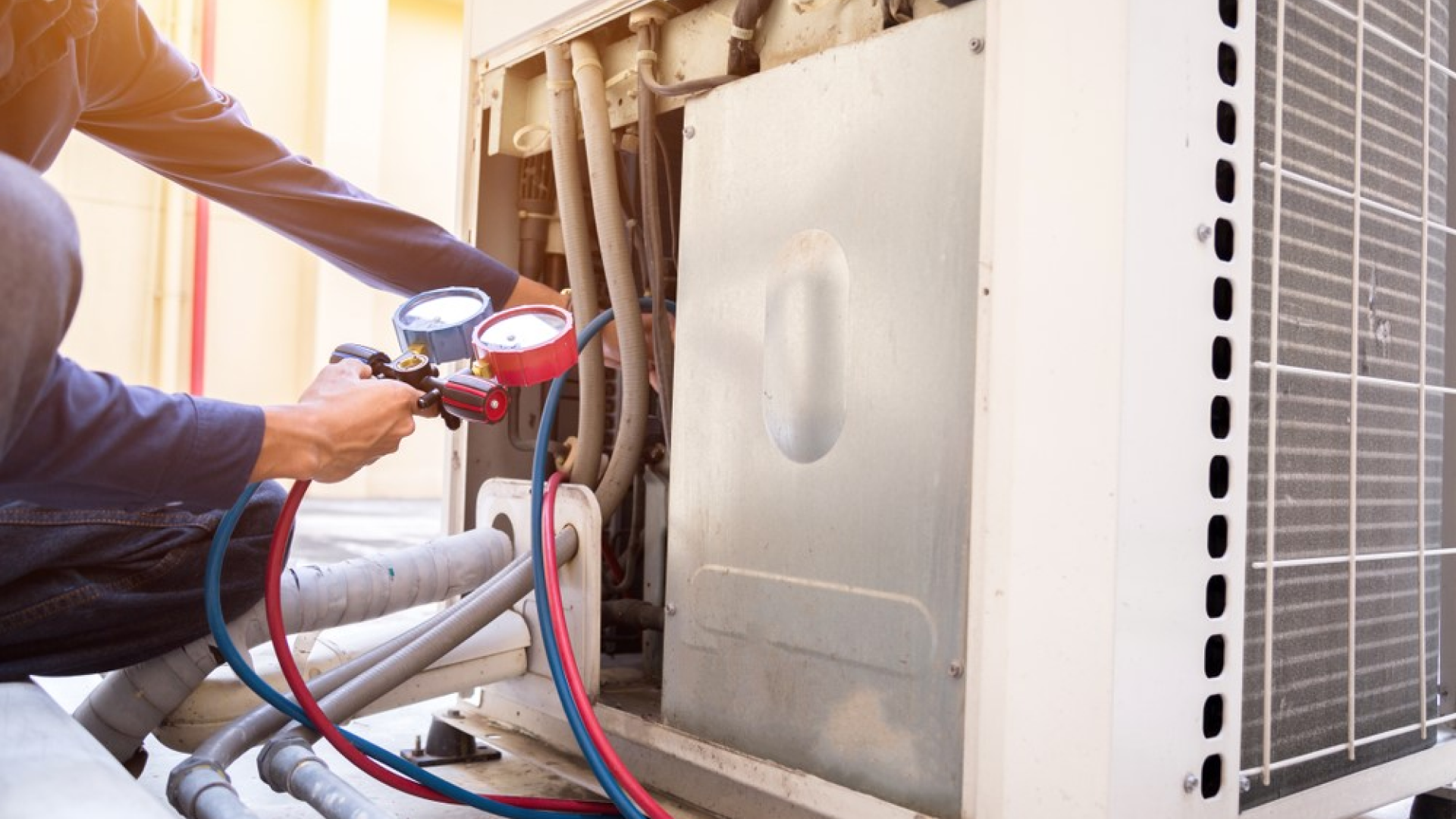
For many Florida homeowners, few situations are more stressful than an air conditioner that suddenly stops working during extreme summer heat. Once the system begins having problems, one major question quickly follows:
Should you repair your air conditioner or replace it completely?
The answer depends on several factors, including the age of the system, repair costs, energy efficiency, indoor comfort, and long term reliability. While some HVAC issues can be resolved with affordable repairs, other situations make HVAC replacement services the smarter financial decision.
Understanding the difference between temporary fixes and long term solutions can help homeowners avoid unnecessary expenses while improving comfort and energy efficiency.
At Wright Brothers HVAC, many homeowners often rely on expert guidance through their trusted residential HVAC services to decide between emergency AC repair and full HVAC system replacement.
Why This Decision Matters in Florida
Florida’s climate puts heavy demand on residential HVAC systems. Air conditioners often run daily for much of the year due to high temperatures and humidity.
Because of this constant workload:
HVAC systems wear out faster
Repairs may become more frequent
Energy costs increase over time
Indoor humidity issues become more noticeable
Choosing the right solution can significantly impact your comfort, utility bills, and long term home expenses.
Homeowners looking to better understand system performance often explore topics like why your AC is blowing warm air in Florida and how to fix it to identify early warning signs.
When AC Repair Makes Sense
Not every HVAC problem requires complete replacement. In many situations, professional AC repair is the most practical and affordable solution.
AC Repair Is Often the Better Option If:
Your system is relatively new
Repairs are minor
Cooling performance is still strong
Energy efficiency remains good
The system has been properly maintained
Common HVAC Problems That Can Often Be Repaired
Professional air conditioning repair experts commonly fix:
Faulty thermostats
Capacitor failures
Refrigerant leaks
Clogged drain lines
Blower motor issues
Electrical component failures
Frozen evaporator coils
Many of these repairs can restore performance without requiring full system replacement.
Signs Your AC System May Only Need Repairs
1. The System Is Under 10 Years Old
Modern HVAC systems often last 10 to 15 years in Florida with proper preventative AC maintenance.
If your unit is still relatively young and the issue is isolated, repair is usually more cost effective.
2. Repairs Are Infrequent
Occasional service calls are normal for HVAC systems.
If breakdowns are rare and repair costs remain manageable, replacing the entire system may not be necessary.
3. Cooling Performance Is Still Consistent
If your home remains comfortable and humidity control is still effective, targeted repairs may extend system life successfully.
4. Energy Bills Have Not Increased Dramatically
A stable utility bill often indicates the system is still operating efficiently overall.
Benefits of AC Repair
Repairing an air conditioner often makes sense when the system is still in good overall condition. It offers a practical balance between cost and performance.
Lower Immediate Cost
Repairs usually cost significantly less upfront than full HVAC replacement services.
Faster Service
Many emergency AC repair issues can be resolved quickly, especially when replacement parts are readily available.
Extended Equipment Lifespan
Routine repairs combined with preventative AC maintenance can help maximize system longevity.
Less Immediate Disruption
Repairing the system often requires less installation time and fewer home modifications.
When AC Replacement May Be the Better Option
In some cases, continuing to repair an aging or inefficient system becomes more expensive over time than replacing it.
HVAC Replacement Is Often Recommended If:
The system is over 10 to 15 years old
Repairs are becoming frequent
Energy bills continue increasing
Cooling performance is declining
Humidity control is poor
Major components have failed
Homeowners comparing options can also explore detailed insights from HVAC replacement services to better understand long term value.
Signs It May Be Time for HVAC Replacement
1. Frequent Breakdowns
If you are scheduling multiple emergency AC repair visits every year, replacement may become the more economical solution.
2. Rising Energy Bills
Older systems lose efficiency over time, especially in Florida’s demanding climate.
3. Poor Indoor Humidity Control
One of the biggest warning signs of HVAC decline in Florida is excessive indoor humidity.
4. Major Component Failures
Expensive failures involving compressors or coils often justify replacement instead of repeated repairs.
5. Uneven Cooling Throughout the Home
Hot and cold spots may indicate aging airflow systems or outdated HVAC sizing.
6. Outdated Refrigerant Systems
Older refrigerant types are becoming harder and more expensive to maintain.
Benefits of HVAC Replacement Services
While replacement involves a larger upfront investment, it can provide major long term advantages for comfort and efficiency.
Improved Energy Efficiency
Modern energy efficient HVAC systems use less electricity while delivering better cooling performance.
Lower Utility Bills
Many homeowners notice substantial savings after upgrading outdated systems.
Better Indoor Comfort
New systems often improve temperature consistency, humidity control, airflow balance, and overall comfort.
Enhanced Indoor Air Quality Solutions
Modern systems support advanced filtration, humidity control, and air purification features.
Reduced Repair Costs
Replacing an aging system often eliminates repeated service calls and ongoing repair expenses.
Homeowners also planning upgrades often benefit from reviewing system replacement options through HVAC replacement services to understand modern improvements.
Comparing Repair Costs vs Replacement Costs
A common industry guideline helps homeowners decide when repair no longer makes sense.
If repair expenses approach a significant portion of replacement cost, upgrading may offer better long term value.
Key factors include system age, repair frequency, energy usage, and long term reliability.
How Preventative AC Maintenance Helps Avoid Major Decisions
Routine preventative AC maintenance helps homeowners avoid both expensive repairs and premature replacement.
Maintenance improves efficiency, reduces breakdowns, and extends system lifespan.
Professional HVAC tune up services are especially important in Florida due to year round system usage and humidity stress.
The Role of Indoor Air Quality in HVAC Decisions
Indoor air quality is often overlooked but plays a major role in system performance.
Older systems often struggle with humidity control, filtration, and airflow, which directly impacts comfort and health.
Modern systems improve dust control, moisture balance, and overall indoor freshness, making upgrades more attractive for many homeowners.
For deeper understanding of system performance and efficiency, homeowners often explore resources available through the main HVAC services page and maintenance programs designed for Florida climates.
Smart Thermostats and Modern HVAC Technology
New HVAC systems often include smart upgrades that improve efficiency and convenience.
These may include zoned cooling, variable speed motors, humidity control systems, and smart thermostat integration.
These advancements help reduce energy consumption while improving daily comfort.
Questions Homeowners Should Ask Before Deciding
Before choosing repair or replacement, it helps to evaluate system age, repair frequency, energy costs, comfort consistency, humidity control, and indoor air quality concerns.
An HVAC professional can help assess these factors objectively and recommend the most cost effective solution.
Frequently Asked Questions
Is it better to repair or replace an older AC system?
If the system is older, inefficient, and requires frequent repairs, replacement is often the better long term investment.
How long do HVAC systems last in Florida?
Most systems last around 10 to 15 years depending on maintenance and usage.
What are the signs my AC system needs replacement?
Common signs include rising energy bills, poor cooling, humidity problems, uneven temperatures, and repeated breakdowns.
Can a new HVAC system lower my energy bills?
Yes. Modern systems are significantly more energy efficient than older units.
Does preventative AC maintenance reduce repairs?
Yes. Regular maintenance helps prevent breakdowns and improves system reliability.
Final Thoughts
Choosing between AC repair and AC replacement depends on system age, performance, and long term costs.
Repairs can extend system life when issues are minor, while replacement offers better efficiency, comfort, and long term savings when systems are aging or failing.
For homeowners needing guidance, exploring trusted HVAC services and maintenance programs can help make confident, cost effective decisions for Florida’s demanding climate.