What Causes Uneven Cooling in Your House? HVAC Experts Explain
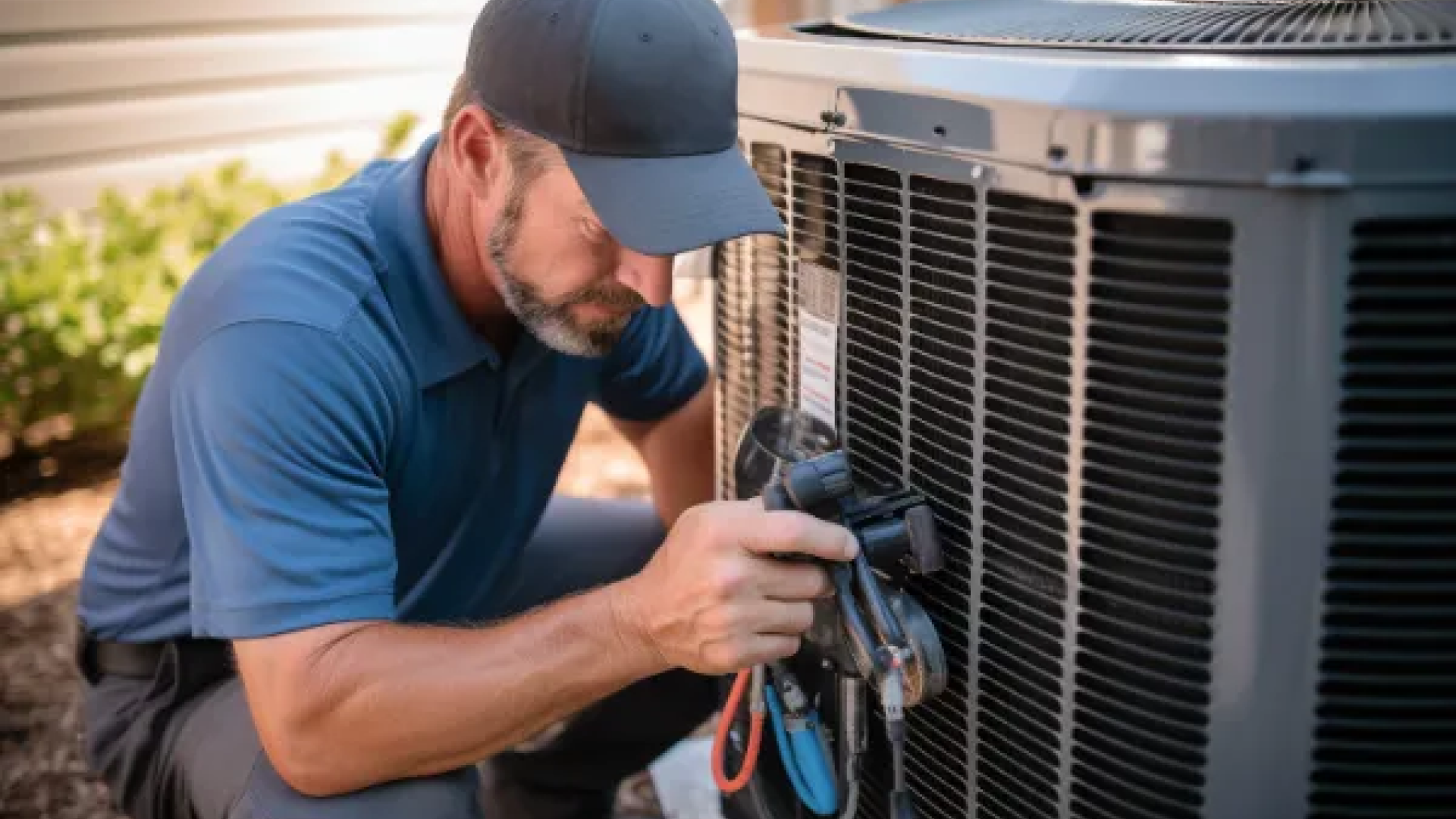
Few things frustrate homeowners more than moving from a cool, comfortable room into another that feels warm, humid, or stuffy. In Florida especially, where air conditioners run almost continuously through long summers, uneven cooling is a common sign that something in the HVAC system needs attention.
Uneven temperatures are more than a comfort issue. They often point to airflow imbalance, ductwork problems, insulation gaps, system wear, or humidity control issues. If ignored, they can lead to higher energy bills, reduced efficiency, and unnecessary strain on your system.
At Wright Brothers HVAC, homeowners often seek professional residential HVAC services when certain rooms stop cooling properly or when their system struggles to maintain consistent temperatures across the home.
Why Uneven Cooling Happens in Florida Homes
Florida homes experience heavier HVAC demand due to constant heat and humidity. Unlike seasonal climates, air conditioners here work for long stretches, increasing wear and revealing airflow weaknesses faster.
Common contributing factors include:
High humidity levels
Long cooling cycles
Aging HVAC systems
Uneven insulation across the home
Ductwork inefficiencies
Improper system sizing
Uneven cooling is usually not caused by a single issue but a combination of small inefficiencies building up over time.
1. Blocked or Restricted Airflow
Airflow issues are one of the most frequent causes of uneven cooling.
Common Causes of Airflow Restrictions
Dirty air filters
Closed or blocked vents
Dust buildup inside ducts
Furniture obstructing vents
Weak blower performance
How It Impacts Comfort
When airflow is restricted, cooled air cannot circulate evenly. Some rooms receive less conditioned air, leading to noticeable temperature differences.
Warning Signs
Hot spots in certain rooms
Weak airflow from vents
Longer cooling cycles
Rising energy consumption
Regular preventative AC maintenance helps keep airflow balanced and system performance stable.
2. Dirty or Clogged Air Filters
Air filters directly affect how well air moves through your HVAC system.
When filters become clogged, airflow drops significantly, forcing the system to work harder while distributing less cooled air.
This can lead to uneven temperatures, higher energy usage, and reduced indoor comfort.
Florida homes are especially prone to faster filter buildup due to continuous system usage and higher dust levels.
3. Leaky or Poorly Designed Ductwork
Ductwork is responsible for delivering cooled air throughout the home. If it is damaged or poorly sealed, air can escape before reaching certain rooms.
Common Duct Issues
Air leaks at joints
Poor insulation around ducts
Incorrect sizing
Crushed or disconnected sections
Dust buildup inside ducts
How It Affects Cooling
Air loss means some rooms receive less cooled air while others remain comfortable, creating noticeable imbalance.
Professional HVAC inspections often include duct evaluation as part of residential service visits.
Homeowners can also explore air conditioning repair services when airflow issues suggest deeper system problems.
4. Improper HVAC System Sizing
System size plays a major role in maintaining consistent temperatures.
Oversized Systems
An oversized unit may cool the home too quickly, shutting off before air fully circulates, leading to uneven temperatures and humidity issues.
Undersized Systems
A smaller system may struggle to keep up with demand, running constantly without evenly cooling the home.
Proper sizing ensures balanced airflow, steady cooling cycles, and improved efficiency. During HVAC replacement services, load calculations help match the system to the home correctly.
5. Poor Insulation and Heat Gain
Insulation determines how well your home retains cool air.
Areas most affected include:
Attics
Upper floors
Sun exposed rooms
Large window spaces
Garage connected rooms
If insulation is weak, certain areas heat up faster than others, causing uneven cooling throughout the home.
Improving insulation works best when paired with an energy efficient HVAC system.
6. Thermostat Placement Issues
Thermostat location directly impacts how your system cycles.
If placed near heat sources, sunlight, or poorly circulated areas, it may misread temperatures and shut off too early or run too long.
Smart thermostat upgrades can help improve accuracy and balance system performance more effectively.
7. Aging HVAC System Components
As HVAC systems age, performance naturally declines.
Key Components That Affect Cooling Balance
Blower motors
Compressors
Refrigerant lines
Air handlers
Capacitors
Signs of wear include weak airflow, longer cooling times, and increasing temperature differences between rooms. In such cases, HVAC replacement may become more practical than repeated repairs.
8. Refrigerant Issues
Refrigerant is essential for proper cooling. If levels are low or there is a leak, cooling becomes inconsistent across different areas of the home.
Common Symptoms
Warm air from vents
Ice formation on coils
Long cooling cycles
Poor temperature balance
Professional technicians can safely diagnose and correct refrigerant issues during service visits.
9. Poor Air Circulation and Ventilation
Even with a strong HVAC system, poor circulation inside the home can cause uneven cooling.
Common causes include closed interior doors, blocked vents, and limited return air pathways.
Improving airflow pathways is often part of broader indoor air quality solutions designed to enhance overall comfort.
How HVAC Experts Fix Uneven Cooling
Technicians use a combination of diagnostics and system improvements to restore balance.
Common solutions include:
Duct sealing and repairs
Airflow balancing
Filter replacement
Thermostat calibration
Refrigerant adjustment
System cleaning and tuning
Insulation recommendations
System upgrades when needed
Routine HVAC tune up services help identify issues early before they affect comfort across the entire home.
How Preventative Maintenance Helps Prevent Uneven Cooling
Regular maintenance plays a major role in keeping temperatures consistent.
It helps improve airflow, maintain system cleanliness, detect duct issues early, and ensure proper refrigerant levels.
Over time, this keeps your HVAC system running efficiently while reducing the risk of uneven cooling problems.
Frequently Asked Questions
Why is one room hotter than the rest of my house?
It is usually caused by airflow restrictions, duct leaks, insulation gaps, or HVAC imbalance.
Can dirty filters cause uneven cooling?
Yes. They restrict airflow and reduce cooling efficiency in specific areas.
How can I fix uneven cooling?
Solutions may include duct repairs, filter changes, insulation upgrades, thermostat adjustments, or HVAC maintenance.
Is uneven cooling a serious HVAC issue?
Not always, but it can indicate underlying problems that should be checked early.
Can a new HVAC system help?
Yes. A properly sized modern system improves airflow distribution and temperature consistency.
Final Thoughts
Uneven cooling is a common issue in Florida homes, but it is also a helpful early warning sign that something in your HVAC system or home structure needs attention.
With proper maintenance, airflow adjustments, and timely upgrades when necessary, most homes can achieve consistent comfort across every room.
Whether you need AC repair, preventative AC maintenance, indoor air quality solutions, or HVAC replacement services, Wright Brothers HVAC provides reliable residential support designed for Florida’s demanding climate.