How Dirty Air Filters Affect Your HVAC System Performance
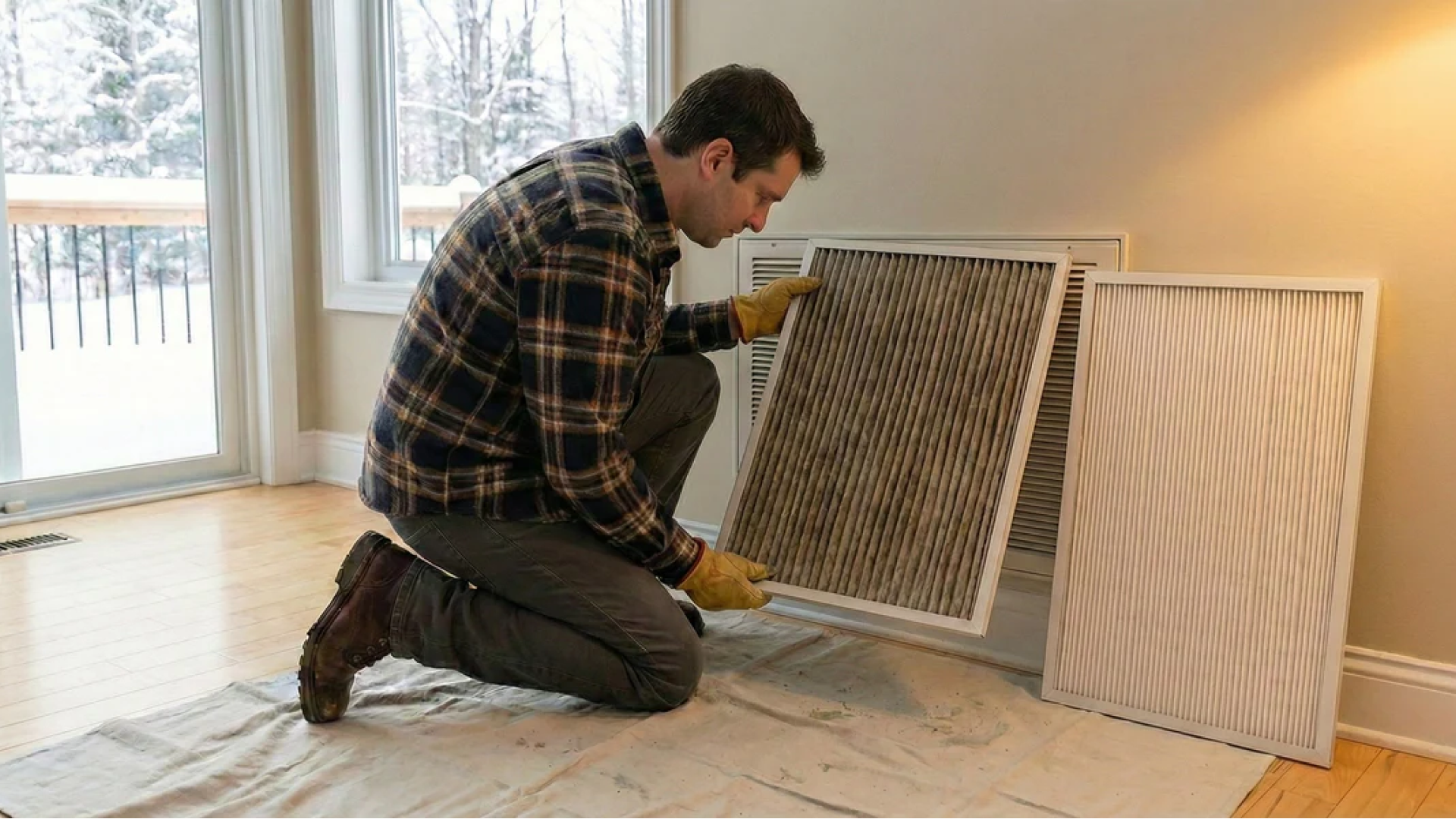
Many homeowners overlook their HVAC air filter because it seems like a small component inside a much larger system. However, dirty air filters are one of the most common causes of HVAC performance problems, reduced energy efficiency, and unnecessary AC repairs.
In Florida, where residential HVAC systems often run almost year round, air filters collect dust, pollen, pet dander, moisture related particles, and airborne debris much faster than homeowners realize. When filters become clogged, airflow becomes restricted, forcing the entire HVAC system to work harder to cool the home.
The result is often higher utility bills, uneven cooling, indoor air quality issues, and premature wear on HVAC equipment.
At Wright Brothers HVAC, dirty air filters are one of the most common issues discovered during preventative maintenance visits and emergency repair calls across Florida homes.
What Does an HVAC Air Filter Do?
Your HVAC air filter helps trap airborne particles before they circulate through your home and HVAC system.
Air filters help capture:
Dust
Pollen
Pet dander
Dirt particles
Mold spores
Lint and debris
Filters also help protect important HVAC components from contamination and airflow restrictions.
What homeowners should know:
A clean air filter improves both indoor air quality and overall HVAC system performance.
Why Air Filters Matter More in Florida
Florida homes experience unique HVAC conditions due to:
High humidity
Heavy AC usage
Extended cooling seasons
Increased airborne allergens
Year round HVAC operation
Because air conditioning systems operate more frequently, filters become dirty much faster than in cooler climates.
Common Florida Air Quality Challenges
Pollen accumulation
Mold related particles
Dust buildup
Humidity related contaminants
Pet hair and dander
Without regular filter replacement, these particles continue circulating throughout the home. Homeowners concerned about healthier indoor living conditions can also explore advanced indoor air quality solutions designed specifically for Florida homes.
1. Dirty Air Filters Restrict Airflow
One of the biggest problems caused by dirty filters is restricted airflow.
How Airflow Problems Develop
As filters become clogged, air has a harder time passing through the HVAC system.
This forces the system to:
Work harder
Run longer cooling cycles
Struggle to distribute air evenly
Signs of Restricted Airflow
Homeowners may notice:
Weak airflow from vents
Hot and cold spots
Longer cooling times
Reduced comfort
Restricted airflow is one of the leading causes of uneven cooling in Florida homes.
2. Dirty Filters Increase Energy Bills
When airflow becomes restricted, your HVAC system must consume more energy to maintain the same indoor temperature.
Why Utility Costs Rise
The system runs longer because it cannot move cooled air efficiently throughout the home.
This often leads to:
Increased electricity usage
Higher monthly utility bills
Reduced HVAC efficiency
Florida homeowners looking to reduce cooling expenses often benefit from regular preventative AC maintenance plans that help systems operate efficiently year round.
Energy Efficiency Matters in Florida
Because Florida homeowners rely heavily on air conditioning, even small efficiency losses can create noticeable increases in energy costs.
Energy efficient HVAC systems still require clean filters to operate properly.
3. Dirty Filters Can Cause Frozen Evaporator Coils
Many homeowners are surprised to learn that clogged filters can contribute to frozen AC components.
How Frozen Coils Happen
Restricted airflow reduces the amount of warm air passing over evaporator coils.
This can cause:
Coil temperatures to drop too low
Ice buildup on the coils
Reduced cooling performance
Warning Signs of Frozen Coils
Warm air from vents
Ice around HVAC components
Weak airflow
Constant system operation
Professional AC and heating repair services often trace frozen coil problems back to dirty filters and airflow restrictions.
For additional insight, homeowners can also read about why your AC is blowing warm air in Florida and how to fix it.
4. HVAC Systems Experience More Wear and Tear
Dirty filters place unnecessary stress on HVAC equipment.
Components Affected by Restricted Airflow
Blower motors
Compressors
Evaporator coils
Air handlers
Fans
Why System Strain Matters
When components work harder for extended periods, homeowners may experience:
More frequent breakdowns
Reduced HVAC lifespan
Increased repair costs
Routine maintenance helps identify airflow issues before major damage occurs. Homeowners should also understand the 7 signs your HVAC system needs immediate repair before summer.
5. Indoor Air Quality Declines
Air filters play a major role in maintaining healthy indoor air.
What Happens When Filters Become Dirty
Instead of trapping contaminants effectively, clogged filters allow pollutants to circulate through the home.
This may contribute to:
Allergy symptoms
Dust buildup
Poor airflow
Musty odors
Respiratory irritation
Indoor Air Quality Concerns in Florida
Florida humidity can increase airborne contaminants and moisture related particles inside the home.
Many homeowners are now prioritizing cleaner indoor environments after learning about the hidden dangers of poor indoor air quality in your home.
6. Dirty Filters Can Cause HVAC Overheating
Restricted airflow impacts not only cooling efficiency but also system temperature regulation.
Why Overheating Happens
When airflow becomes limited, internal HVAC components may overheat due to excess strain.
This can lead to:
System shutdowns
Electrical component damage
Increased emergency AC repair risks
Signs of HVAC Overheating
Frequent cycling
Burning smells
Unexpected shutdowns
Poor cooling performance
Preventative maintenance helps reduce overheating risks by keeping airflow balanced and components clean.
7. Uneven Cooling Becomes More Common
Dirty air filters frequently contribute to temperature imbalances throughout the home.
How Filters Affect Room Temperatures
Restricted airflow means some rooms receive less conditioned air than others.
Homeowners may notice:
Hot bedrooms
Warm upstairs rooms
Weak airflow in certain vents
Inconsistent cooling
HVAC tune up services often include airflow evaluations to identify filter related performance issues.
8. HVAC Systems Run Longer Than Necessary
Longer cooling cycles are another common effect of dirty air filters.
Why Continuous Operation Happens
When airflow decreases, the system takes longer to cool the home to the desired temperature.
This increases:
Energy consumption
Mechanical wear
Cooling delays
Humidity problems
Florida homeowners can also improve efficiency by learning how smart thermostats improve energy efficiency and comfort.
Florida Humidity Makes the Problem Worse
Continuous HVAC operation can sometimes worsen indoor humidity control issues if airflow becomes severely restricted.
9. Dirty Filters Can Shorten HVAC Lifespan
Over time, restricted airflow and excessive system strain reduce overall HVAC longevity.
Why This Matters Financially
Replacing HVAC equipment is significantly more expensive than replacing air filters regularly.
Consistent maintenance helps:
Extend equipment lifespan
Reduce major repair costs
Maintain efficiency
Improve system reliability
Many homeowners facing severe airflow neglect eventually require AC and HVAC system replacement services. It is also helpful to understand whether AC repair vs AC replacement is the better option for your home.
How Often Should Air Filters Be Changed?
The correct replacement schedule depends on several factors.
Most Florida Homeowners Should:
Check filters monthly
Replace filters every 30 to 90 days
Homes May Need More Frequent Replacement If They Have:
Pets
Allergy concerns
High HVAC usage
Construction dust
Indoor air quality problems
Homeowners can also learn more about how often you should service your AC in Florida’s climate.
What homeowners should know:
During peak Florida summer months, filters often become dirty much faster due to constant AC operation.
Signs Your Air Filter Needs Replacement
Common Warning Signs Include:
Weak airflow
Increased dust indoors
Higher utility bills
Uneven cooling
Allergy flare ups
Longer cooling cycles
Dirty visible filter surface
Replacing the filter is often one of the simplest ways to improve HVAC performance immediately.
Choosing the Right Air Filter
Not all filters perform the same.
Factors to Consider
Filter size
MERV rating
HVAC system compatibility
Indoor air quality needs
Why Professional Guidance Helps
Filters that are too restrictive may reduce airflow if the HVAC system is not designed for them.
A trusted Florida HVAC company can recommend the best filtration setup for your specific system and indoor air quality goals.
The Role of Preventative AC Maintenance
Regular maintenance ensures filters and airflow systems are inspected consistently.
Professional Maintenance Helps:
Improve airflow
Protect HVAC components
Maintain efficiency
Reduce emergency repairs
Improve indoor air quality
Homeowners can explore more seasonal HVAC tips and expert insights through the company’s HVAC blog resource center.
Many Florida homeowners also discover significant savings after learning why preventative AC maintenance saves Florida homeowners thousands and how to avoid common HVAC problems during Florida summers.
Frequently Asked Questions
Can a dirty air filter damage my HVAC system?
Yes. Dirty filters restrict airflow, increase system strain, and can contribute to frozen coils, overheating, and component damage.
How often should I change my HVAC air filter in Florida?
Most homeowners should check filters monthly and replace them every 30 to 90 days depending on HVAC usage and indoor conditions.
Will changing my air filter lower my energy bill?
A clean filter improves airflow and system efficiency, which may help reduce cooling costs.
Can dirty filters affect indoor air quality?
Absolutely. Dirty filters allow dust, allergens, and airborne contaminants to circulate throughout the home.
What happens if I never change my HVAC filter?
Neglecting filter replacement can lead to restricted airflow, poor cooling, higher utility bills, HVAC damage, and reduced system lifespan.
Final Thoughts
Dirty air filters may seem like a small issue, but they can have a major impact on HVAC performance, indoor comfort, energy efficiency, and indoor air quality.
In Florida, where air conditioning systems operate heavily throughout the year, regular filter replacement is one of the simplest and most important ways homeowners can protect their HVAC systems and reduce unnecessary repair costs.
Maintaining clean filters helps improve airflow, lower utility bills, reduce HVAC strain, and create healthier indoor living conditions for your family.
Whether you need maintenance, emergency repairs, indoor air quality solutions, HVAC tune up services, or complete system replacement guidance, the experienced team on the About Wright Brothers HVAC page is committed to helping Florida homeowners stay comfortable year round.
Homeowners ready to schedule service or ask HVAC questions can easily contact the Wright Brothers HVAC team.