Top Reasons Your Energy Bills Increase During Summer
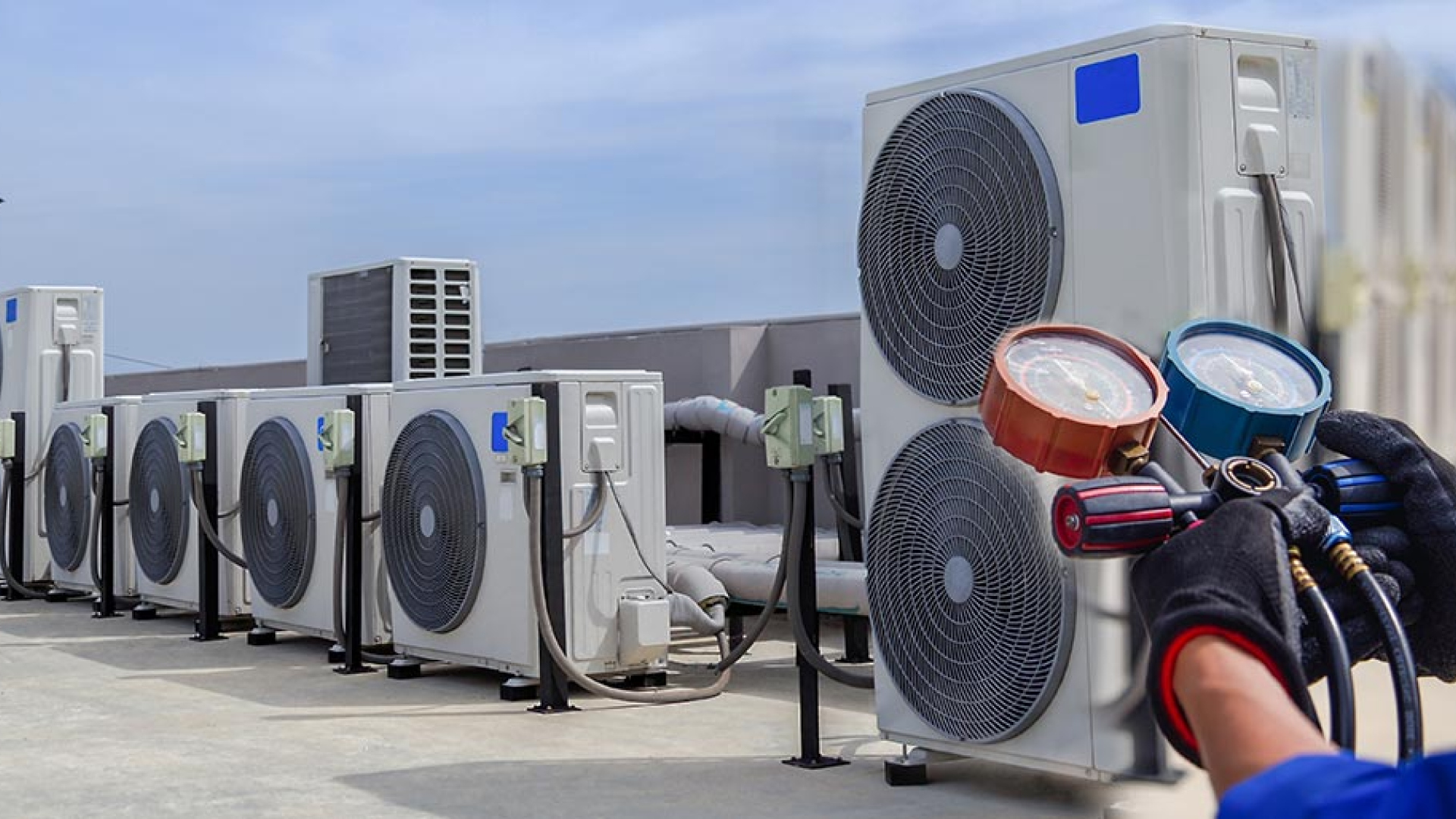
Summer often brings more than just rising temperatures for Florida homeowners. It also brings noticeably higher energy bills. Many families are surprised when utility costs suddenly spike during the hottest months of the year, even if their daily routines have not changed much.
In Florida, where air conditioning systems work almost nonstop through long, humid summers, even small HVAC inefficiencies can dramatically impact monthly cooling costs. While some increase in energy usage is expected during extreme heat, unusually high bills often point to hidden HVAC problems, poor airflow, outdated equipment, or energy waste inside the home.
Understanding what causes higher summer energy bills can help homeowners improve efficiency, reduce strain on their HVAC systems, and avoid unnecessary cooling expenses.
At Wright Brothers HVAC, many residential HVAC service calls begin with one common concern from homeowners: “Why is my electric bill suddenly so high?”
Why Energy Bills Rise Faster in Florida Summers
Florida’s climate creates ideal conditions for heavy HVAC usage.
Several factors increase cooling demands during summer:
High outdoor temperatures
Excess humidity
Longer daylight hours
Increased AC runtime
Heat gain from sunlight
Continuous cooling cycles
What homeowners should know:
Even efficient HVAC systems use more electricity during extreme heat, but unusually high bills often indicate underlying efficiency problems.
Homeowners can also explore helpful seasonal advice through the company’s Florida HVAC blog resource center.
1. Dirty Air Filters Restrict Airflow
One of the most common and overlooked causes of rising energy bills is a dirty HVAC air filter.
How Dirty Filters Increase Cooling Costs
When filters become clogged with dust and debris, airflow becomes restricted.
This forces your HVAC system to:
Run longer
Work harder
Consume more electricity
Signs Your Filter May Be Affecting Efficiency
Weak airflow from vents
Uneven cooling
Dust buildup indoors
Longer cooling cycles
Prevention Tip
Replacing air filters regularly is one of the easiest and most affordable ways to improve HVAC efficiency.
Professional preventative AC maintenance plans often include airflow inspections and filter evaluations to keep systems operating efficiently.
Homeowners may also benefit from reading about why preventative AC maintenance saves Florida homeowners thousands.
2. Your HVAC System Is Working Too Hard
Florida summers place extreme demand on residential HVAC systems.
Why HVAC Systems Become Overworked
As temperatures rise, older or poorly maintained systems struggle to maintain indoor comfort efficiently.
Common causes include:
Aging equipment
Dirty coils
Refrigerant problems
Weak airflow
Poor maintenance history
Warning Signs of HVAC Strain
Constant AC operation
Rising utility bills
Warm rooms
High indoor humidity
Energy Efficient HVAC Systems Make a Difference
Modern energy efficient HVAC systems cool homes more effectively while using less electricity than older units.
Homeowners considering upgrades often explore AC and HVAC system replacement services to improve long term energy efficiency.
If your system is older, it may also help to learn whether it’s time to replace your air conditioner.
3. Poor Insulation Allows Cool Air to Escape
Your HVAC system cannot operate efficiently if cooled air constantly escapes from the home.
Common Areas Where Energy Loss Happens
Attics
Windows
Doors
Garage areas
Poorly insulated walls
How Insulation Impacts Energy Bills
When cool air escapes, your air conditioner must run longer to maintain desired temperatures.
This increases:
Cooling cycles
HVAC wear
Electricity usage
Signs of Poor Insulation
Hot upstairs rooms
Rooms warmer near windows
Constant HVAC runtime
Temperature fluctuations
Improving insulation often works hand in hand with residential HVAC services to improve energy performance.
4. Refrigerant Problems Reduce Cooling Efficiency
Low refrigerant levels or refrigerant leaks reduce your system’s ability to remove heat effectively.
What Happens When Refrigerant Is Low
Your HVAC system may:
Run continuously
Cool unevenly
Consume more energy
Struggle to maintain temperatures
Warning Signs of Refrigerant Issues
Warm air from vents
Ice buildup on coils
Weak cooling performance
Hissing sounds near the system
Professional AC and heating repair services can identify and repair refrigerant problems before they lead to major system damage.
Homeowners dealing with airflow and cooling issues may also want to read about common HVAC problems during Florida summers and how to prevent them.
5. Your Thermostat Settings May Be Increasing Costs
Many homeowners unintentionally waste energy through inefficient thermostat habits.
Common Thermostat Mistakes
Setting temperatures too low
Constant manual adjustments
Running AC while away
Ignoring humidity settings
How Smart Thermostats Help
Smart thermostats improve efficiency by:
Automating schedules
Reducing unnecessary cooling
Monitoring HVAC performance
Managing humidity levels
Smart HVAC technology is becoming increasingly popular among Florida homeowners seeking lower summer utility bills.
Homeowners can also learn how smart thermostats improve energy efficiency and comfort.
6. Dirty HVAC Coils Reduce Efficiency
Evaporator and condenser coils are critical for transferring heat efficiently.
How Dirty Coils Affect Performance
When coils become covered with dirt or debris:
Heat transfer slows down
Cooling performance drops
HVAC runtime increases
Common Signs of Dirty Coils
Reduced cooling power
Higher energy bills
Longer cooling cycles
Warm airflow
Routine HVAC tune up services help keep coils clean and operating efficiently during peak summer heat.
7. Air Duct Leaks Waste Cooled Air
Leaky ductwork is a major hidden cause of energy loss in many homes.
Why Duct Leaks Matter
Damaged or poorly sealed ducts allow cooled air to escape before reaching living spaces.
This forces the system to compensate by running longer.
Signs of Duct Problems
Uneven cooling
Weak airflow
Excess dust
High utility costs
Duct Inspections Improve Efficiency
Professional residential HVAC services often include airflow and duct evaluations to identify hidden efficiency losses.
8. Excess Indoor Humidity Makes Your Home Feel Hotter
Humidity plays a major role in comfort across Florida.
Why Humidity Increases Cooling Costs
Even if the thermostat shows a comfortable temperature, excess humidity can make your home feel warmer and more uncomfortable.
This often causes homeowners to lower thermostat settings unnecessarily.
Signs of High Indoor Humidity
Sticky indoor air
Musty odors
Condensation on windows
Mold concerns
Indoor Air Quality Solutions Help
Indoor air quality solutions such as:
Whole home dehumidifiers
Improved ventilation
Smart humidity controls
can reduce cooling strain and improve comfort without excessive AC usage.
Homeowners concerned about air quality can explore advanced indoor air quality solutions designed for Florida homes.
It may also help to understand the hidden dangers of poor indoor air quality in your home.
9. Aging HVAC Systems Lose Efficiency
Older HVAC systems naturally become less efficient over time.
Why Older Systems Cost More to Operate
As components wear down:
Cooling performance declines
Energy usage increases
Repairs become more frequent
Signs Your System May Be Outdated
Rising utility bills
Frequent repairs
Uneven temperatures
Constant operation
Modern HVAC replacement services provide homeowners with improved energy performance, better humidity control, and lower monthly cooling costs.
Many homeowners also compare AC repair vs AC replacement options before making upgrade decisions.
10. Lack of Preventative HVAC Maintenance
Skipping regular HVAC maintenance is one of the biggest contributors to higher summer energy bills.
What Preventative Maintenance Helps Prevent
Routine maintenance improves:
Airflow
Coil cleanliness
Refrigerant performance
Electrical efficiency
Overall system operation
Benefits of Preventative AC Maintenance
Professional maintenance helps homeowners:
Reduce cooling costs
Prevent emergency AC repair situations
Extend HVAC lifespan
Improve indoor comfort
Minor HVAC issues often become expensive energy problems when maintenance is delayed.
Homeowners should also know how often they should service their AC in Florida’s climate.
Additional Ways Homeowners Can Reduce Summer Cooling Costs
Simple Energy Saving Tips
Homeowners can improve efficiency by:
Replacing air filters regularly
Keeping vents unobstructed
Using ceiling fans
Closing blinds during peak sunlight
Sealing air leaks around windows and doors
Scheduling professional HVAC tune ups
Small adjustments often create noticeable improvements in monthly energy costs.
Frequently Asked Questions
Why does my electric bill go up so much in summer?
Higher outdoor temperatures, increased AC usage, humidity, and HVAC inefficiencies all contribute to rising summer energy bills.
Can dirty air filters increase cooling costs?
Yes. Dirty filters restrict airflow, forcing HVAC systems to work harder and consume more electricity.
Does humidity affect energy bills?
Absolutely. Excess humidity makes homes feel warmer, often causing longer AC runtime and higher cooling costs.
Will a new HVAC system lower my energy bill?
Modern energy efficient HVAC systems typically cool homes more effectively while using less electricity than older units.
How often should HVAC maintenance be scheduled?
Most Florida homeowners should schedule preventative AC maintenance at least twice per year due to heavy HVAC usage.
Final Thoughts
Higher summer energy bills are common in Florida, but excessive increases often signal HVAC inefficiencies that can be corrected. Dirty filters, poor airflow, refrigerant issues, duct leaks, humidity problems, and aging equipment all place extra strain on cooling systems during peak summer heat.
Addressing these problems early can improve comfort, reduce energy waste, and help homeowners avoid expensive emergency repairs.
Whether you need preventative maintenance, emergency repairs, indoor air quality solutions, HVAC tune up services, or complete system replacement guidance, the experienced professionals featured on the Wright Brothers HVAC about page provide trusted residential HVAC services designed specifically for Florida homeowners and Florida’s demanding climate conditions.
Homeowners ready to improve cooling efficiency or schedule professional HVAC service can easily contact the Wright Brothers HVAC team.