How Humidity Impacts Your AC Performance and Indoor Comfort
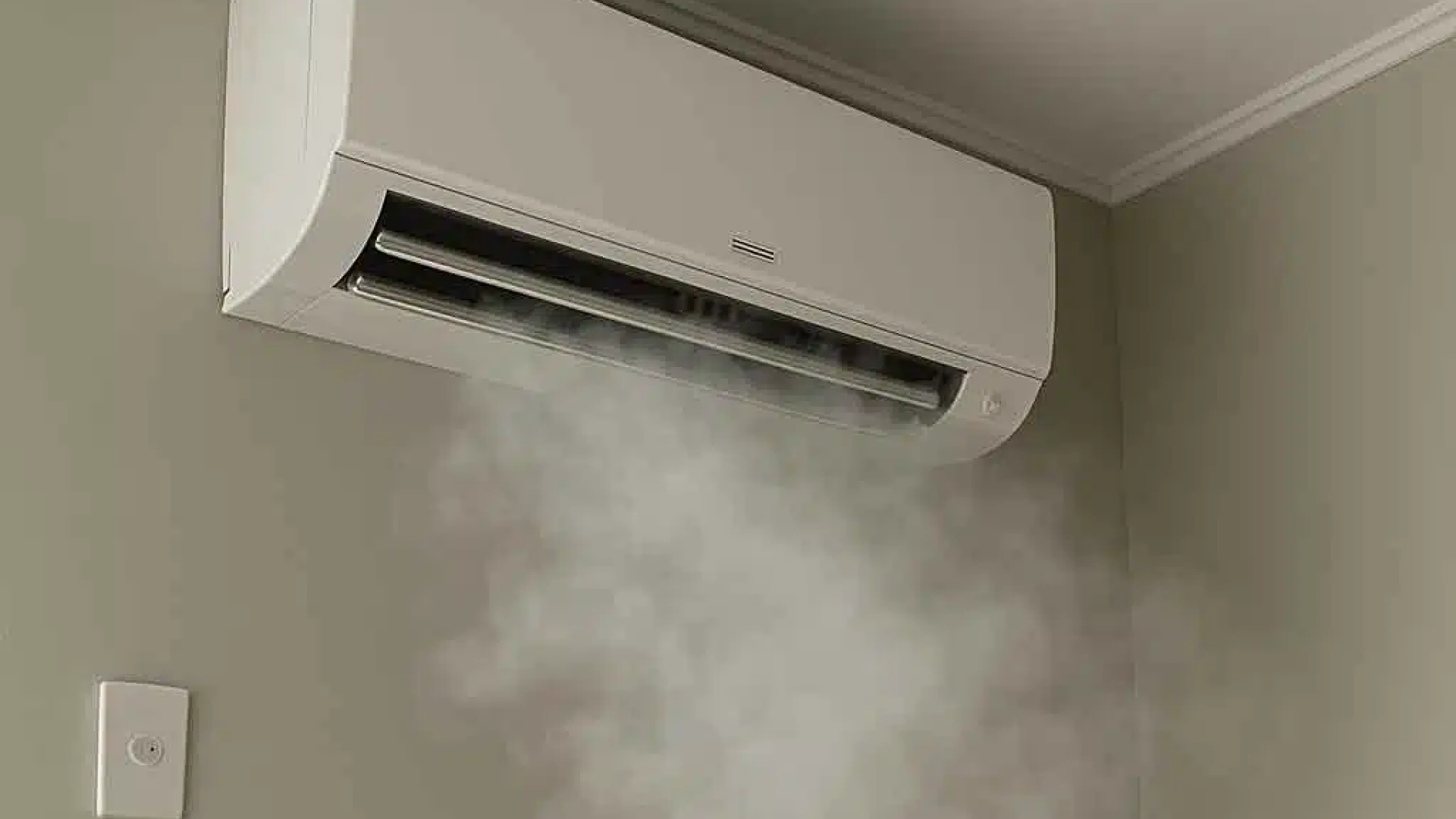
When most homeowners think about staying comfortable during a Florida summer, they usually focus on temperature. However, humidity plays an equally important role in how your home feels and how well your air conditioning system performs.
You may set your thermostat to 74 degrees, but if indoor humidity is too high, your home can still feel warm, sticky, and uncomfortable. At the same time, excess moisture forces your HVAC system to work harder, increasing energy consumption and putting additional strain on important components.
Understanding the relationship between humidity and your HVAC system can help you improve comfort, lower utility bills, and protect your home's indoor environment. At Wright Brothers HVAC, humidity control is one of the most common concerns homeowners discuss when seeking residential HVAC services across Florida. If you want to know more about our experience in handling these subtropical climates, you can read about our team and local expertise.
What Is Indoor Humidity?
Humidity refers to the amount of moisture present in the air. In simple terms:
Low humidity means the air feels dry.
High humidity means the air contains excessive moisture.
For most homes, indoor humidity levels should remain between 30% and 50% for optimal comfort and air quality. Florida's naturally humid climate often pushes indoor humidity beyond comfortable levels if an HVAC system is not operating efficiently.
Why Florida Homes Experience High Humidity
Florida's subtropical climate creates ideal conditions for excess moisture throughout much of the year. Several factors contribute to higher indoor humidity:
Frequent rainfall
Warm outdoor temperatures
Coastal moisture
Long AC operating seasons
Air leaks around windows and doors
Because air conditioners run so frequently, homeowners often assume they automatically remove all excess moisture. While HVAC systems help with dehumidification, they must be properly sized and maintained to perform effectively. When they aren't, it becomes one of the most common HVAC problems during Florida summers.
How Your Air Conditioner Controls Humidity
Your AC system does more than cool the air. As warm indoor air passes over the evaporator coil, the system removes both heat and moisture before circulating conditioned air back into your home.
The air conditioner relies on two main jobs: lowering indoor temperature and reducing indoor humidity. When either function becomes less effective, overall comfort declines.
8 Ways Humidity Directly Affects Your Home and HVAC System
1. High Humidity Makes Your Home Feel Hotter
Sweat naturally cools your body through evaporation. When humidity levels are high, sweat evaporates more slowly, making you feel hotter even when the thermostat setting remains unchanged. Common signs include sticky or clammy air, difficulty sleeping, rooms that feel warmer than expected, and constant thermostat adjustments.
Many homeowners lower their thermostat to compensate, which increases HVAC runtime and energy costs. If you find yourself constantly adjusting the settings, it helps to learn how smart thermostats improve energy efficiency and comfort by managing cycles better.
2. High Humidity Forces Your AC System to Work Harder
Your AC must remove both heat and moisture simultaneously. When humidity is excessive, the system works longer to achieve a comfortable indoor environment. This often leads to longer cooling cycles, higher electricity usage, increased wear on HVAC components, and reduced energy efficiency.
3. Higher Humidity Can Increase Energy Bills
When homeowners feel uncomfortable because of humidity, they often lower the thermostat setting, causing more frequent cooling cycles and continuous system operation. This is historically one of the top reasons your energy bills increase during summer. Modern energy-efficient HVAC systems are designed to remove moisture more effectively while using less electricity.
4. Poor Humidity Control Can Lead to Mold Growth
Moist environments create ideal conditions for mold and mildew. Vulnerable areas include air ducts, bathrooms, attics, around windows, and HVAC drain systems. Excess moisture contributes to musty odors, indoor air quality issues, allergy irritation, and property damage.
5. High Humidity Can Affect Indoor Air Quality
Humidity directly impacts the quality of the air you breathe. Poor humidity control can cause an increase in dust mites, mold spores, airborne allergens, bacteria growth, and musty indoor odors. To fight back, look into the best indoor air quality solutions for Florida homes in 2026. Failing to address this can expose your family to the hidden dangers of poor indoor air quality.
6. Oversized HVAC Systems Can Create Humidity Problems
An oversized system cools the home very quickly and shuts off before removing enough moisture from the air. This creates cool but damp conditions, uneven comfort, sticky indoor air, and short cycling. Professional HVAC replacement services utilize precise load calculations to make sure your system is perfectly matched to your home's layout.
7. Dirty Air Filters Can Reduce Moisture Removal
When filters become clogged, airflow decreases, cooling efficiency drops, and moisture removal becomes less effective. You will notice weak airflow, higher utility bills, and increased humidity indoors. Understanding how dirty air filters affect your HVAC system performance is essential to avoiding preventable system strain.
8. Refrigerant and Coil Problems Reduce Dehumidification
Low refrigerant levels, dirty evaporator coils, frozen coils, or weak blower motors can interfere with proper humidity removal. If your system runs constantly but your home feels damp, or if you notice warm air from vents, you should contact professional technicians for AC and heating repairs immediately.
Best Ways to Reduce Indoor Humidity
Florida homeowners can take several active steps to improve moisture control:
Schedule Regular HVAC Maintenance: Routine tuning helps maintain proper airflow, coil cleanliness, refrigerant performance, and drainage function.
Replace Air Filters Regularly: Clean filters improve both airflow and moisture removal.
Install a Whole-Home Dehumidifier: These systems work alongside your HVAC equipment to maintain healthier humidity levels. Splitting the workload ensures maximum moisture control.
Upgrade Older Equipment: Upgrading through modern replacement services introduces advanced humidity control technology to your home.
Improve Indoor Air Quality Solutions: Additional upgrades may include smart thermostats, UV air purification, improved ventilation systems, and advanced indoor air quality (IAQ) filters.
Signs Your Home May Have a Humidity Problem
If your home feels uncomfortable despite your AC running normally, excess humidity may be the real issue. Keep an eye out for these common warning signs:
Sticky indoor air or condensation on windows
Musty smells, mold, or mildew growth
Allergy symptoms indoors
Uneven cooling or constant AC operation
High summer utility bills
If you're noticing these signs along with weird performance bugs, check out this guide on why your AC is blowing warm air in Florida and how to fix it.
How Preventative AC Maintenance Helps Control Humidity
Routine maintenance is one of the best defenses against humidity-related HVAC problems. Professional preventative AC maintenance plans help maintain proper airflow, clean evaporator coils, verify refrigerant levels, inspect drainage systems, and optimize overall system performance.
Expert Insight: Many humidity issues can be identified and corrected before they turn into expensive emergency calls. Investing in a maintenance plan is exactly why preventative AC maintenance saves Florida homeowners thousands over time.
Frequently Asked Questions
What is the ideal indoor humidity level for a home?
Most experts recommend maintaining indoor humidity between 30% and 50% for optimal comfort and indoor air quality. Anything above 55% risks mold creation and structural dampness.
Can high humidity make my house feel hotter?
Yes. Excess moisture slows the body's natural cooling process (sweat evaporation), making indoor temperatures feel warmer than they actually are.
Why is my AC running but my house still feels humid?
Common causes include dirty air filters, low refrigerant, oversized equipment, clogged coils, or bad ductwork. If you notice these symptoms, read up on the 7 signs your HVAC system needs immediate repair.
Can a new HVAC system improve humidity control?
Absolutely. Modern energy-efficient HVAC systems feature variable-speed compressors that run longer, lower-speed cycles to remove maximum moisture from the air without over-cooling.
How often should you service your AC in Florida's climate?
To maintain peak dehumidification, it is vital to know how often you should service your AC. For Florida homes, an inspection and tune-up are recommended twice per year.
Final Thoughts
Temperature is only part of the comfort equation. In Florida, humidity often has an even greater impact on how your home feels and how efficiently your HVAC system operates. When moisture levels become too high, homeowners may experience higher utility bills, reduced indoor comfort, poor air quality, and increased wear on their HVAC equipment.
Fortunately, regular maintenance, proper system sizing, and modern indoor air quality solutions can help control humidity and improve overall home comfort. Explore our dedicated blog for more cooling tips, or contact Wright Brothers HVAC today to book an inspection and bring proper balance back to your indoor air.