Emergency AC Repair: What to Do Before the Technician Arrives
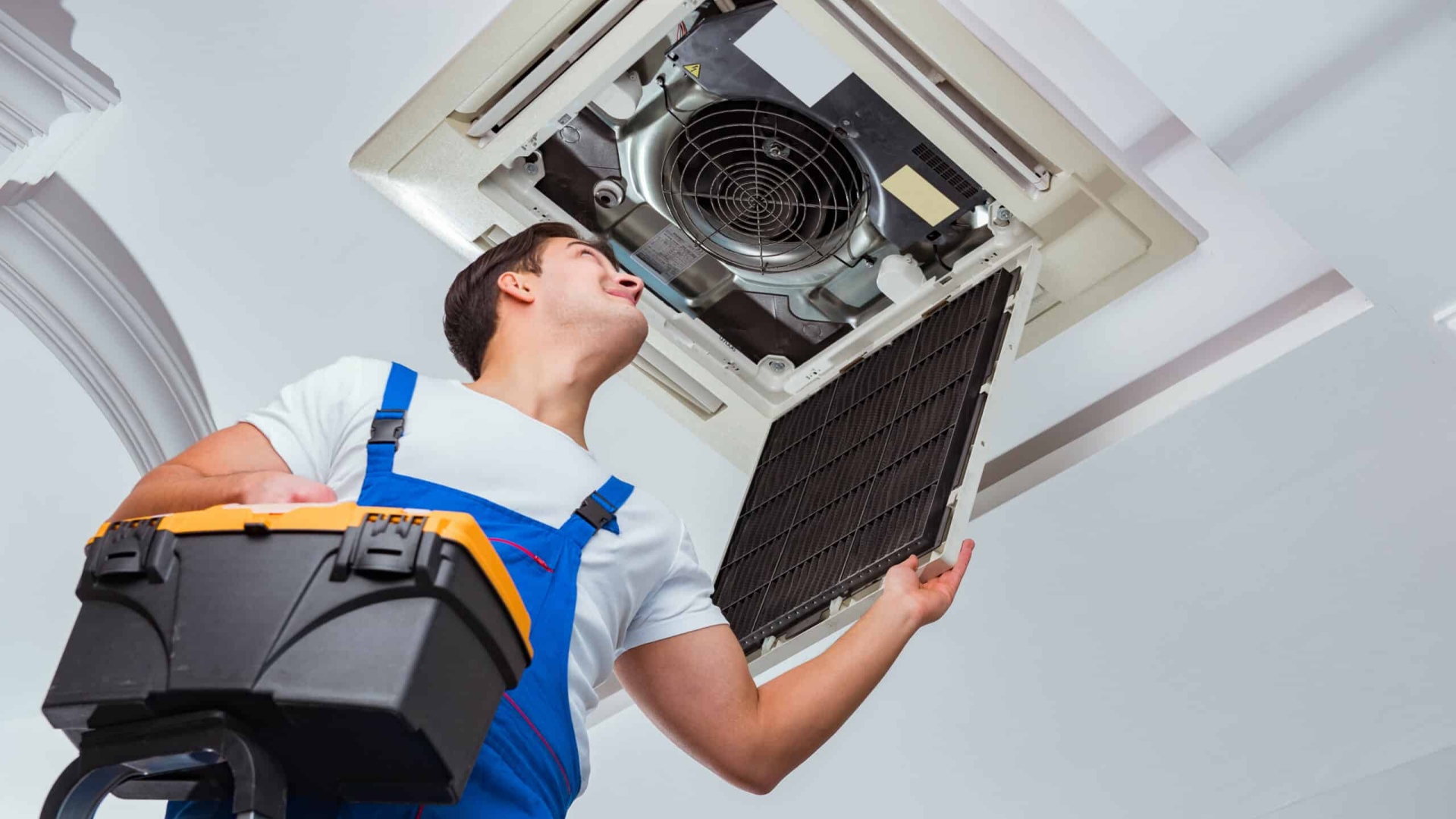
There are few household problems more stressful for Florida homeowners than an air conditioner that suddenly stops working. When outdoor temperatures climb into the 90s and humidity levels soar, even a few hours without cooling can quickly make your home uncomfortable.
While some HVAC issues require immediate professional attention, there are a few simple and safe steps homeowners can take before an emergency AC repair technician arrives. These basic checks may help identify minor issues, prevent further damage, and provide useful information that can speed up the repair process.
It's important to remember that modern HVAC systems contain complex electrical components, refrigerant lines, and mechanical parts that should only be serviced by trained professionals. Homeowners should never attempt DIY repairs that could create major safety risks. At Wright Brothers HVAC, emergency calls often involve underlying problems that homeowners can safely inspect while waiting for professional service. If you would like to learn more about our commitment to prompt, reliable local service, feel free to read about our technician crew.
What Qualifies as an HVAC Emergency?
Not every cooling issue is an immediate emergency, but some situations require prompt attention. Common emergency HVAC situations include:
Complete loss of cooling during extreme heat
Burning smells coming from the indoor or outdoor unit
Electrical issues or repeated breaker trips
Water leaking around the indoor unit
Loud grinding or banging noises
Frozen HVAC components
Warm air blowing from vents for extended periods
If you notice smoke, sparks, or signs of an electrical hazard, turn off the system immediately and contact a qualified professional. Leaving a failing unit running can cause catastrophic damage, which is a major signal that your HVAC system needs immediate repair before conditions worsen.
10 Steps to Follow While Waiting for an AC Technician
Step 1: Check Your Thermostat Settings
It may sound simple, but thermostat settings are one of the first things technicians recommend checking. Verify that the thermostat is set to "Cool," the temperature setting is below the current room temperature, the display screen is functioning properly, and the batteries are not dead.
If your home uses smart technology, check that automated schedules or remote settings have not changed unexpectedly. To maximize this setup, it helps to understand how smart thermostats improve energy efficiency and comfort throughout the year.
Step 2: Inspect Your Air Filter
Dirty air filters are a leading cause of sudden performance drops. A clogged filter restricts system breathing, which can cause weak airflow, frozen evaporator coils, reduced cooling, and longer system cycles. Remove the filter and inspect it; if it is heavily covered in dust and debris, swapping it out is vital. Routine filter replacement is a pillar of comprehensive preventative AC maintenance plans meant to stop breakdowns before they start.
Step 3: Check Your Circuit Breaker
Sometimes an HVAC system stops working simply because the breaker has tripped. Safely inspect your main electrical panel for the breaker labeled for the AC or HVAC system. If the breaker has tripped once, you can carefully reset it.
Important Safety Note: If the breaker trips again immediately, leave it off and wait for professional service. Repeated breaker trips indicate deeper electrical shorts or component strain that require expert diagnosis.
Step 4: Look for Ice on the Indoor or Outdoor Unit
Frozen HVAC components are a common reason for emergency callouts. Look for ice buildup around refrigerant lines or frost covering the indoor unit. This freezing is typically triggered by airflow restrictions, low refrigerant levels, or dirty evaporator coils. Turn the system off completely and switch the fan setting to "On" to let the ice melt safely while preventing additional strain on the compressor. Do not attempt to chip or scrape away ice with sharp tools.
Step 5: Check That Vents Are Open and Unblocked
Blocked supply vents reduce airflow throughout your home, throwing off pressure balances. Inspect your rooms for closed vents, furniture blocking air paths, rugs covering floor registers, or curtains restricting air movement. Keeping vents clear is a quick way to restore airflow and improve home comfort.
Step 6: Examine the Outdoor Condenser Unit
The outdoor portion of your HVAC system plays a critical role in expelling heat. Without opening the casing, visually inspect the exterior for leaves or debris buildup, grass clippings stuck around the coils, or blocked airflow from surrounding shrubbery. Maintaining at least a few feet of open space around the condenser ensures proper heat exchange. Never attempt to disassemble or repair outdoor electrical components yourself.
Step 7: Check for Water Around the Indoor Unit
Air conditioners naturally remove massive amounts of moisture from the air, which drains through a dedicated condensate line. If you notice water pooling near the unit, damp flooring, or an overflowing drain pan, your line is likely blocked. This is a common consequence of neglect, which highlights why consistent preventative AC maintenance saves Florida homeowners thousands in structural water damage repair costs.
Step 8: Pay Attention to Unusual Sounds
Strange noises provide valuable clues for incoming technicians. Make a note of exactly what you hear:
Banging: May indicate loose or damaged internal components like fan blades or rods.
Grinding: Could suggest motor bearing problems or a failing compressor.
Buzzing: Recurrent buzzing often points to electrical issues or bad contactors.
Hissing: Frequently indicates a refrigerant leak or structural airflow problems.
Note when the sound occurs and whether it changes during operation so you can share these details with your repair expert.
Step 9: Reduce Heat Inside Your Home While You Wait
While you wait for your technician to arrive, you can temporarily slow down indoor temperature spikes. Close all blinds and curtains to block radiant solar heat, avoid using the oven or stovetop, turn off unnecessary lights, and keep exterior doors closed tightly.
Step 10: Gather Information for the Technician
Providing accurate information helps speed up repairs. Be ready to share when the problem started, any unusual noises, error messages on the thermostat, whether the breaker tripped, and whether the system has undergone any recent maintenance.
Common Causes of Emergency AC Repair Calls
Many emergency service visits involve issues that develop gradually over time. Frequent culprits include:
Clogged air filters blocking system breathing. It is essential to monitor how dirty air filters affect your HVAC system performance before it causes a shutdown.
Refrigerant leaks that stop the heat transfer process, which is the leading reason why your AC is blowing warm air in Florida.
Electrical contactor failures or burnt wiring.
Frozen evaporator coils or failed blower motors.
Clogged condensate drains backing up into the home.
Most of these problems can be completely avoided. Investing in regular tune-ups helps catch these issues early, and knowing how often you should service your AC ensures you remain ahead of seasonal strain.
What Homeowners Should Never Do
While waiting for professional service, avoid actions that could create safety risks or cause additional mechanical damage:
Do Not open sealed HVAC components or electrical boxes.
Do Not attempt to handle or patch refrigerant lines yourself.
Do Not force frozen parts to thaw using sharp objects or heat guns.
Do Not continue running a system that is making loud mechanical grinding or banging noises.
Do Not ignore burning odors, smoke, or repeated electrical sparks.
Frequently Asked Questions
Can a dirty air filter cause my AC to stop cooling entirely?
Yes. A completely clogged filter restricts airflow to the point that the evaporator coil drops below freezing temperature. This creates an ice block that totally stops the cooling process.
Should I turn my AC off if I see ice on it?
Yes. Turn the system completely off. Running a frozen system can cause liquid refrigerant to flood back into the compressor, which can destroy the motor and force an expensive HVAC replacement service.
Is water leaking from my HVAC system an emergency?
While it may not stop the cooling immediately, it is an emergency in terms of property damage. Standing water can ruin drywall, create ceiling damage, and lead to mold. It is best to turn the system off to stop moisture production until the drain is cleared.
Final Thoughts
An unexpected air conditioning breakdown can be highly stressful, especially during Florida's hottest months. While some issues require immediate professional attention, taking a few simple and safe steps before your technician arrives can help protect your system and provide useful information for a faster diagnosis.
If your system is older and experiencing frequent breakdowns, it may be time to weigh the costs of a fix versus a new unit. Feel free to read our comprehensive comparison guide on AC repair vs. AC replacement to see which path makes the most sense for your home.
For more cooling tips and seasonal maintenance checklists, feel free to visit our dedicated blog. If you are currently dealing with a cooling failure, contact Wright Brothers HVAC right away for fast, reliable emergency assistance designed to restore your home's comfort.