Why Your AC Keeps Turning On and Off Frequently
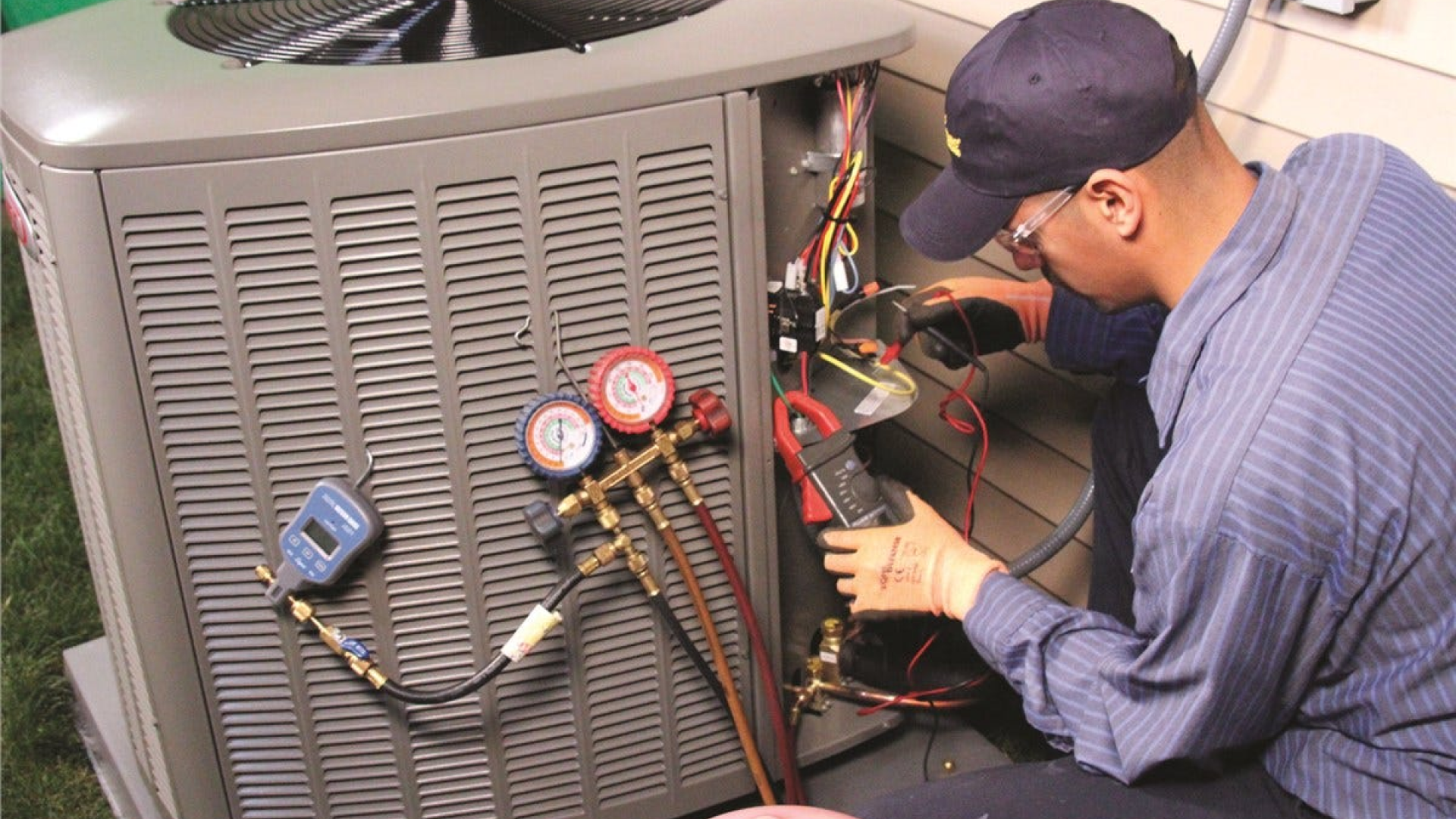
If your air conditioner seems to start, stop, and restart repeatedly throughout the day, you're not alone. Many Florida homeowners experience this frustrating HVAC issue, especially during the hottest months of the year when systems are under maximum stress. While it may seem like a minor inconvenience, frequent cycling is usually a clear warning sign that something is wrong with your cooling system.
This problem, commonly known as short cycling, occurs when your air conditioner turns on and off before completing a normal cooling cycle. Not only does this drastically reduce your indoor comfort, but it also spikes your monthly energy bills, places unnecessary strain on critical HVAC components, and significantly shortens the lifespan of your equipment.
At Wright Brothers HVAC, short cycling is one of the most common concerns homeowners raise when scheduling professional AC and heating repairs. Understanding the root causes of this issue can help you identify problems early and avoid more costly system failures down the road.
What Is HVAC Short Cycling?
Short cycling occurs when an air conditioner terminates its cooling cycle prematurely, shutting down before it has had enough time to properly drop the temperature and stabilize conditions across your home.
A Normal Cooling Cycle
Under normal, healthy operating conditions, your central HVAC system should:
Run long enough to cool the entire home evenly.
Remove excess humidity from the air.
Gracefully reach your designated thermostat setting.
Shut off and rest until another cooling cycle is naturally required.
A Short Cycling System
Conversely, a system trapped in a short cycle will:
Turn on and off every few minutes without warning.
Struggle to maintain a consistent, comfortable temperature.
Run far more frequently throughout the day than normal.
Consumer massive amounts of excess energy due to constant startup surges.
What Homeowners Should Know: Short cycling is never just an annoying quirk; it is a symptom of an underlying mechanical, electrical, or airflow issue that requires prompt attention.
Why Frequent Cycling Is a Major Problem
Many homeowners assume that an AC turning on and off frequently simply means it is working harder to battle the external heat. In reality, short cycling severely cripples your system's performance and can cause a domino effect of issues.
In Florida's humid climate, poor humidity removal caused by short cycling can leave your indoor air feeling sticky and uncomfortable, even if the thermometer says the temperature is normal. To understand how moisture patterns alter your indoor climate, explore how humidity impacts your ac performance and indoor comfort.
10 Common Causes of AC Short Cycling
1. Dirty Air Filters Restrict Airflow
One of the most frequent catalysts for short cycling is a heavily clogged air filter. When dust and debris choke off incoming airflow, the system has to work twice as hard to draw in air, causing internal temperatures to skyrocket. To protect itself from total burnout, the system will trigger a safety shutdown prematurely.
2. Your HVAC System Is Oversized
When it comes to air conditioning, bigger is not always better. An oversized system will rapidly dump freezing air into your home, satisfying the thermostat in a matter of minutes.
Because it shuts off so fast, it fails to run long enough to pull latent moisture out of the air. This results in a home that feels cold, clammy, and humid. If you think your unit is a poor match for your property, read up on is it time to replace your air conditioner: key warning signs to evaluate your options.
3. Thermostat Misplacement or Failure
Your thermostat acts as the brain of your cooling system. If it is malfunctioning, uncalibrated, or running on dying batteries, it will send erratic signals to your AC unit.
Furthermore, poor placement can trick your system. If your thermostat is installed directly under a drafty vent, in direct sunlight, or near heat-producing appliances, it will register false readings and cause rapid cycling. Upgrading to modern technology can stabilize this; learn how smart thermostats improve energy efficiency and comfort to see the benefits.
4. Low Refrigerant Leaks
Refrigerant is the lifeblood of the heat transfer process. When a leak develops and refrigerant levels drop too low, internal pressure drops along with it. This triggers low-pressure safety switches, causing the compressor to cycle off repeatedly. If you suspect a leak, contact a technician immediately to prevent complete compressor failure.
5. Frozen Evaporator Coils
When airflow is restricted or refrigerant is low, your indoor evaporator coils can drop below freezing, leading to a literal block of ice forming over the metal components. This severe drop in temperature causes the system to malfunction and turn off erratically.
If your system is blowing warm air between these brief bursts, check out our guide on why your ac is blowing warm air in florida and how to fix it.
6. Critical Electrical Issues
Loose wiring, corroded connections, failing capacitors, or damaged relays can interrupt the steady stream of power required to run your air conditioner. If an electrical connection drops momentarily, your system will abruptly shut off, only to restart a moment later when the connection reconnects.
7. Dirty Outdoor Condenser Coils
The outdoor condenser unit is responsible for releasing the heat gathered from inside your home. If the outdoor coils are buried under grass clippings, dirt, leaves, or yard debris, the heat becomes trapped. This causes the system to overheat and shut down via its thermal overload switch to prevent a fire hazard. Keeping this clean helps avoid the most common hvac problems during florida summers and how to prevent them.
8. High Indoor Humidity Loading
When humidity levels are exceptionally high, your system faces an extreme latent heat load. If your air conditioner is already struggling with minor mechanical issues, this heavy humidity load can trigger safety sensors, driving erratic cycling intervals.
9. Aging HVAC Components
Like any mechanical asset, an aging air conditioner will eventually experience component degradation. As compressors and fan motors reach the end of their operational lifespan, they struggle to sustain long, efficient cooling cycles.
When repairs become frequent, it is helpful to look at ac repair vs ac replacement: which option is better for your home to weigh long-term financial choices.
10. Complete Lack of Preventative Maintenance
The absolute majority of short-cycling issues do not happen overnight; they develop gradually. Neglecting regular checkups allows small issues like dirt buildup and loose wires to balloon into disruptive short cycling.
Investing in a preventative AC maintenance plan keeps your components optimized and catches these errors before they cause a full system breakdown.
How HVAC Professionals Diagnose the Issue
When evaluating an air conditioner that keeps turning on and off, an expert technician from Wright Brothers HVAC performs a holistic diagnostic checklist to locate the true root cause:
[Inspect Thermostat & Calibration] ➔ [Check Air Filters & Airflow] ➔ [Measure Refrigerant Levels] ➔ [Test Electrical Capacitors & Wiring] ➔ [Examine Evaporator & Condenser Coils]
This comprehensive approach ensures we aren't just treating a temporary symptom, but rather delivering a permanent solution that restores proper cooling cycles to your home.
Actionable Steps to Prevent Short Cycling
Homeowners can drastically minimize the risk of short cycling by adopting a few simple, proactive habits:
Change filters regularly: Swap out your return filters every 30 to 90 days.
Keep vents open: Ensure supply registers and return grilles are completely unobstructed by furniture or curtains to preserve balanced airflow.
Maintain outdoor clearance: Leave at least two feet of clear space around your outdoor condenser unit.
Schedule seasonal tune-ups: Never skip your annual or bi-annual professional inspections.
Frequently Asked Questions
Why does my AC keep turning on and off every few minutes?
This behavior is known as short cycling. It is typically caused by a restricted airflow problem (like a dirty filter), a faulty thermostat, low refrigerant levels, or electrical failures.
Can a dirty air filter really cause my AC to turn off frequently?
Yes. A clogged filter blocks air from passing through the system, causing the internal evaporator coils to freeze or the compressor to overheat, both of which force the system to shut down immediately for safety.
Is short cycling dangerous for my cooling system?
While it may not cause immediate danger to your home, it is incredibly damaging to your equipment. The constant starting and stopping places immense stress on the compressor, which can cause premature system failure and expensive repair bills.
What should I do if I notice my system short cycling?
First, turn off your system to prevent further mechanical wear, and check your air filter. If the filter is clean and the problem persists after turning it back on, call a licensed technician right away. If you need to schedule an urgent visit, it helps to understand emergency ac repair: what to do before the technician arrives.
Final Thoughts
An air conditioner that frequently turns on and off is sending a clear distress signal. Ignoring short cycling can quickly transform a minor, inexpensive fix into a stressful, full-scale system replacement during the peak of summer heat.
Taking care of your system early keeps your home comfortable, preserves your equipment's health, and keeps your utility bills manageable throughout Florida’s intense cooling seasons.
Whether you require immediate troubleshooting, routine maintenance, or a comprehensive AC and HVAC system replacement, the team at Wright Brothers HVAC is standing by. Learn more about our dedication to high-quality craftsmanship, or view our full resource archive on our blog for more expert advice. Ready to restore your home's comfort? Contact us today to book a professional diagnostic evaluation!